Wiener Melange
Wiener Melange (Melange) Say VEE-ner meh-LAHNZH
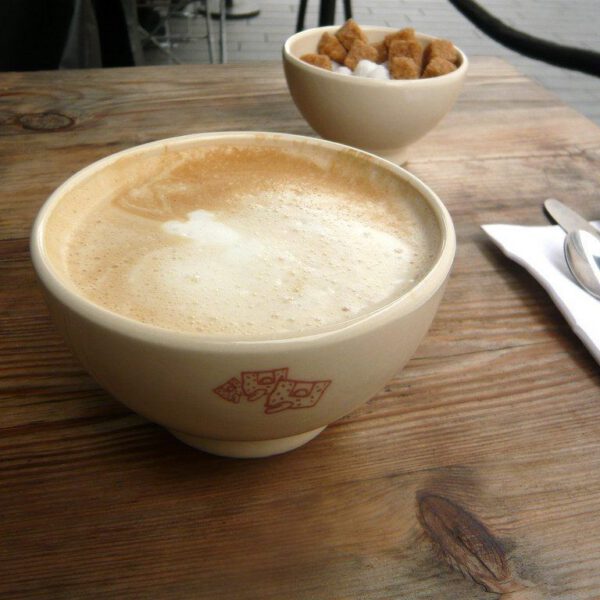
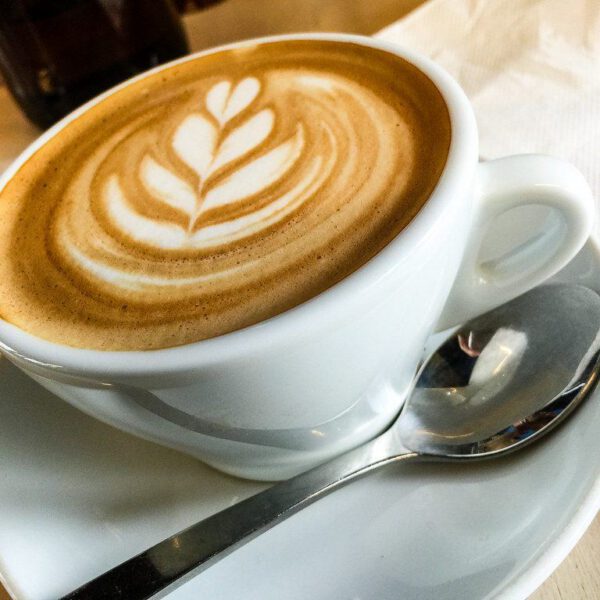
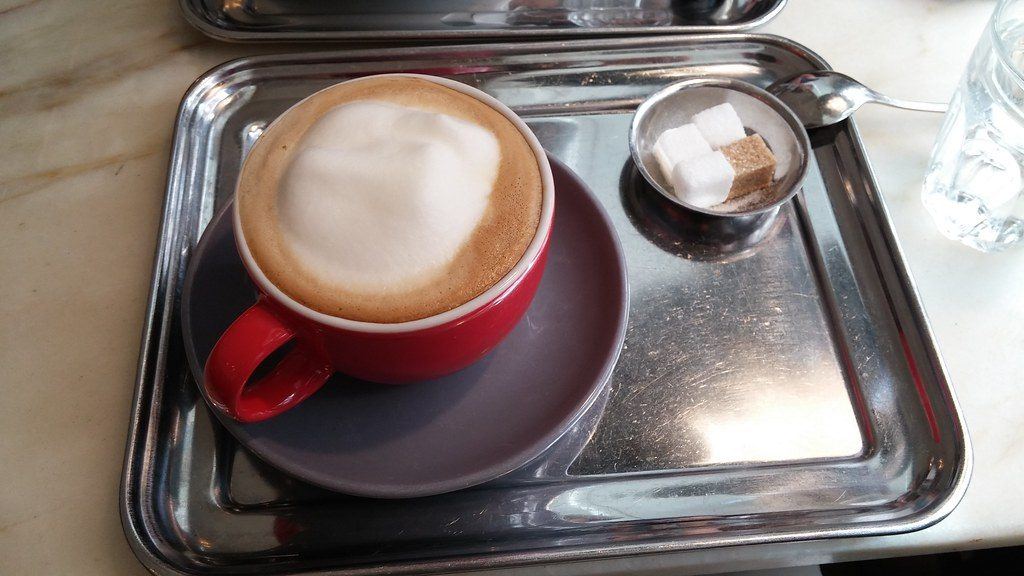
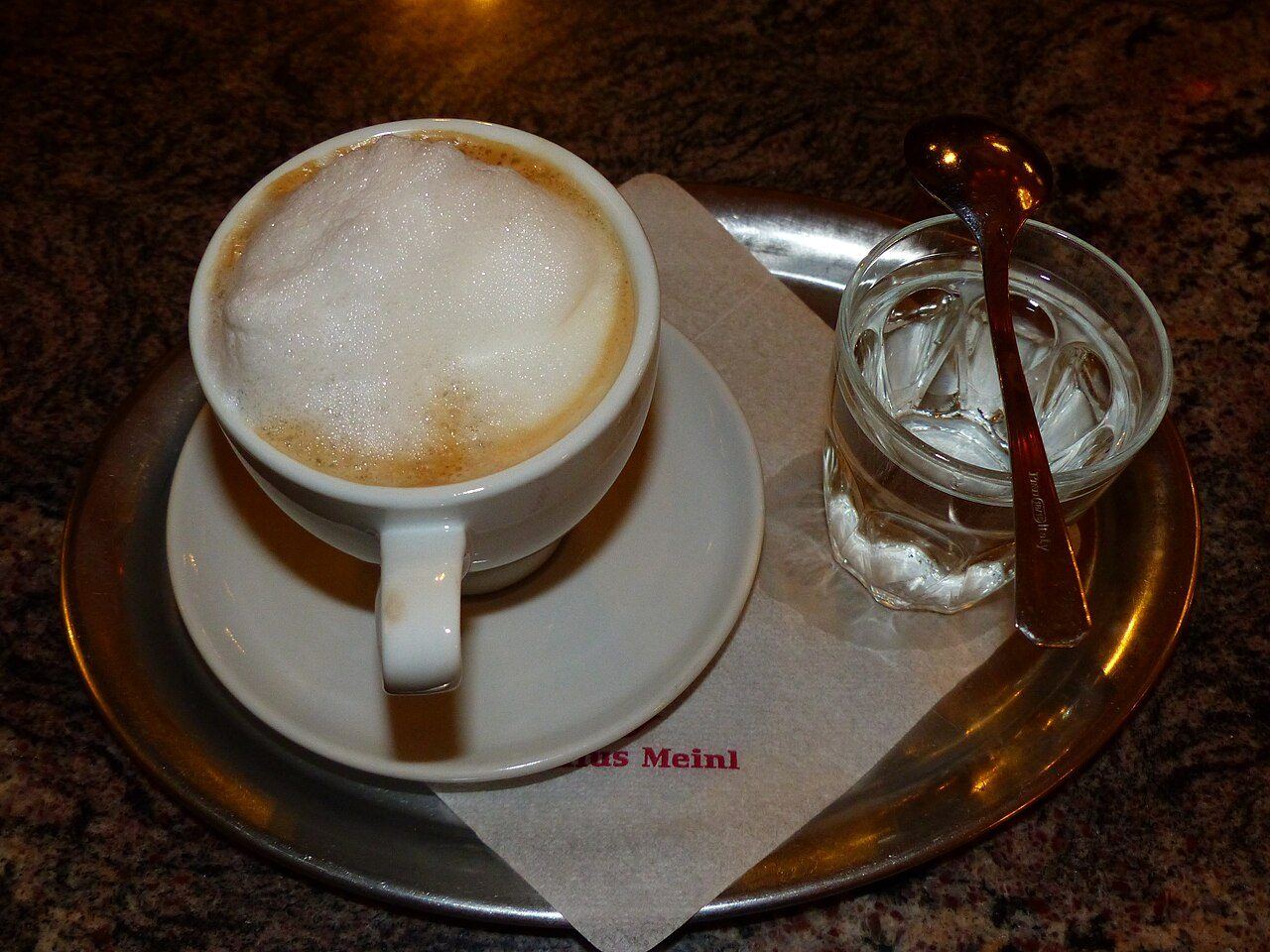
The classic order in a Viennese coffee house: a lengthened espresso (Mokka) with hot milk and a crown of milk foam. Similar to a cappuccino but milder, it arrives on a small silver tray with a glass of cold water.
- ServedHot
- In EnglishViennese blend
- TastesBalanced, Creamy, Smooth
About Wiener Melange
A Melange (short for Wiener Melange, ‘Viennese blend’) is Vienna’s best-loved coffee-house drink. It starts with a lengthened espresso, which the Viennese call a Mokka, topped with hot milk and finished with a soft crown of milk foam. It looks a lot like a cappuccino, and visitors often confuse the two, but a Melange is made with a slightly longer, milder coffee, so it tastes gentler and rounder.
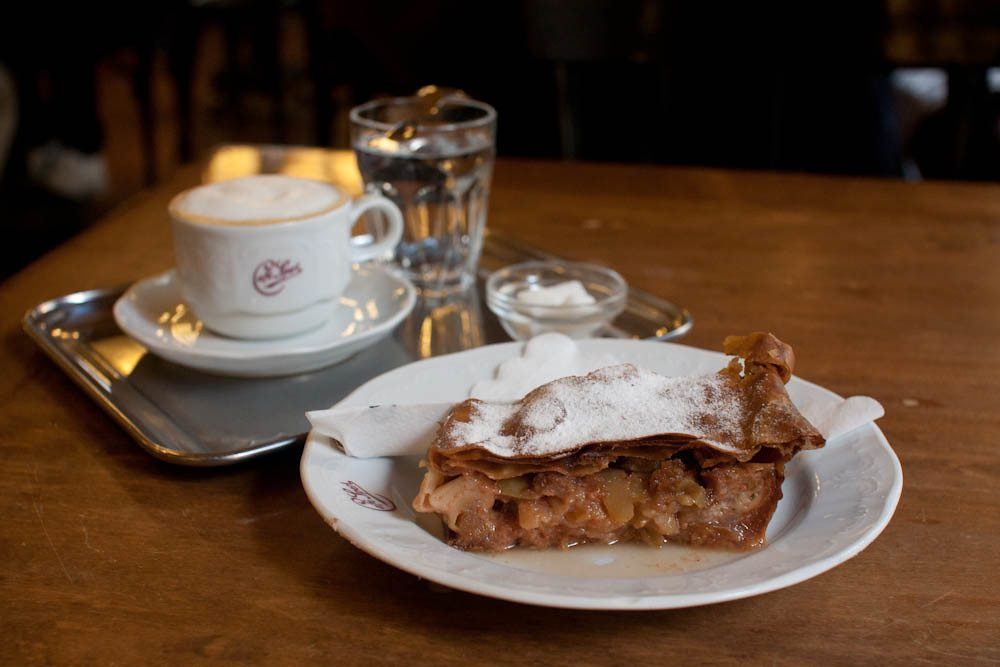
The drink is inseparable from the place it is served. In a traditional Viennese coffee house a waiter in a dark suit brings your Melange on a small silver tray, with a glass of cold water and the spoon laid across the glass. Nobody hurries you: the coffee house is a place to sit for hours with newspapers, conversation or work, and the water glass is often refilled without asking.
Locals drink a Melange at any time of day, with breakfast, a slice of cake in the afternoon, or simply as an excuse to stay. It is the default milky coffee on every Viennese menu, which lists a dozen or more local coffee styles, from the black Kleiner Schwarzer to the cream-topped Einspänner.
In the cup
- Milk foam crown 20%
- Hot milk 40%
- Lengthened espresso (Mokka) 40%
Ingredients
- Finely ground espresso coffee8–9 g (one shot)
- Hot water (to lengthen the shot)about 30 ml extra
- Whole milk100–120 ml
How to make it
You needEspresso machine with steam wand, milk jug, 200–250 ml cup, small tray and water glass
RatioAbout 1 : 1 coffee to hot milk, topped with foam (Café Sperl describes it as half black coffee, half creamy milk, finished with foam)
-
Pull a single espresso, letting it run a little longer than usual (or add a splash of hot water) to make a milder Mokka.
-
Steam the milk until hot, letting in enough air to create a soft, airy foam on top.
-
Pour the hot milk into the coffee, holding back the foam with a spoon.
-
Spoon a generous crown of milk foam on top.
-
Serve on a small tray with a glass of cold water and sugar on the side.
Origin & history
Vienna’s coffee-house culture goes back to the late 17th century. A popular legend says that after the Ottoman siege of Vienna was lifted in 1683, sacks of coffee beans left behind were given to the officer Jerzy Franciszek Kulczycki (Kolschitzky), who opened the city’s first coffee house. Historians now credit an Armenian merchant, Johannes Theodat (Diodato), with opening Vienna’s first licensed coffee house in 1685.
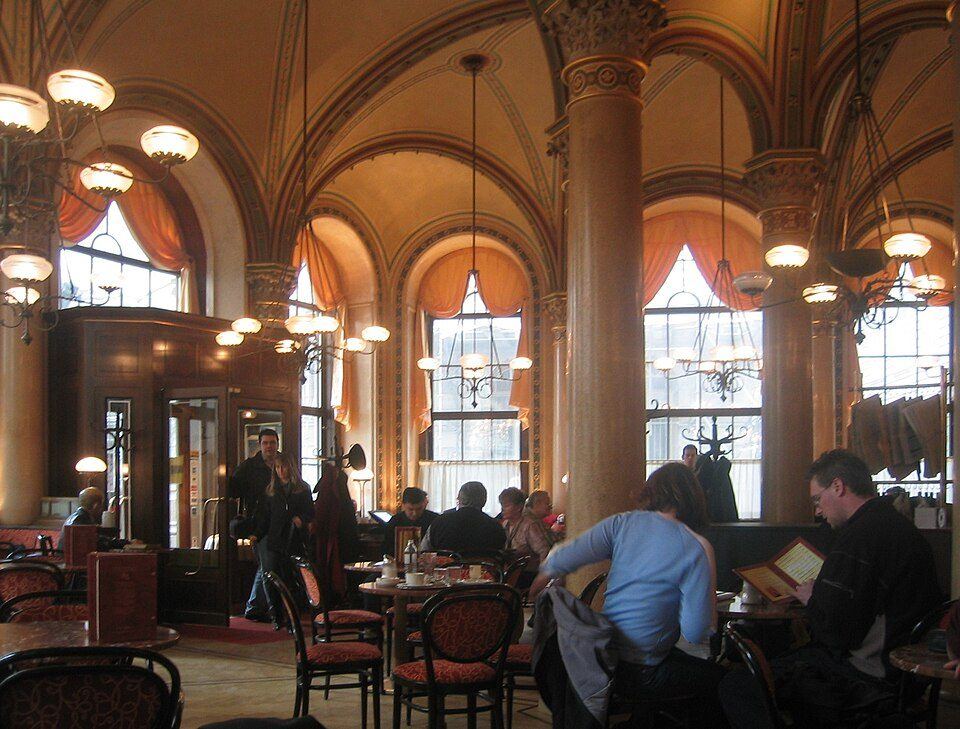
Over the 18th and 19th centuries the coffee house became Vienna’s public living room, a place to read newspapers, play cards, write and argue. Café Central, Café Sperl, Café Hawelka and Café Landtmann became famous meeting places for writers, artists and thinkers; Sigmund Freud was a regular at Landtmann. Viennese coffee houses developed their own long list of named drinks, and the Melange became the standard milky coffee among them. There is no documented inventor or date for the Melange itself.
In October 2011 Viennese coffee-house culture was added to Austria’s national inventory of intangible cultural heritage under the UNESCO convention, which describes the coffee house as a place ‘where time and space are consumed, but only the coffee is found on the bill’.
Variations
- Franziskanera Melange topped with whipped cream instead of milk foam (Vienna)
- Kapuzinera small Mokka with a little whipped cream, the brown colour of a Capuchin friar’s habit (Vienna)
- Einspännerstrong black coffee in a glass under a thick cap of whipped cream; drink it unstirred (Vienna)
- Verlängerteran espresso lengthened with hot water, served black or with milk (Vienna)
- Kleiner / Großer Braunera single or double Mokka with a dash of milk or cream (Vienna)
Good to know
Don't ask for 'a coffee' in Vienna: name the drink you want, such as a Melange, Verlängerter or Brauner.
If your Melange arrives with whipped cream instead of foam, that is a Franziskaner; say so if you wanted foam.
The glass of water is part of the service and free; it is normal to sit for hours over one coffee.
Pay at the table: ask for the bill with 'Zahlen, bitte' and round up the total as a tip.
Many traditional coffee houses keep newspapers on wooden holders for guests to read.