Café au Lait
Café au lait Say ka-FAY oh LAY
Strong brewed coffee mixed with roughly the same amount of hot milk. In France it is a home breakfast drink served in a big handleless bowl; in cafés you order a café crème. In New Orleans it is made with chicory coffee.
- ServedHot
- In EnglishCoffee with milk
- TastesBalanced, Creamy, Smooth
About Café au Lait
Café au lait simply means ‘coffee with milk’. In its classic French form it is made at home with strong brewed coffee (from a filter, cafetière or moka pot) and hot milk, mixed in roughly equal amounts. It is milder and softer than espresso drinks, with a gentle, rounded coffee taste and very little foam.
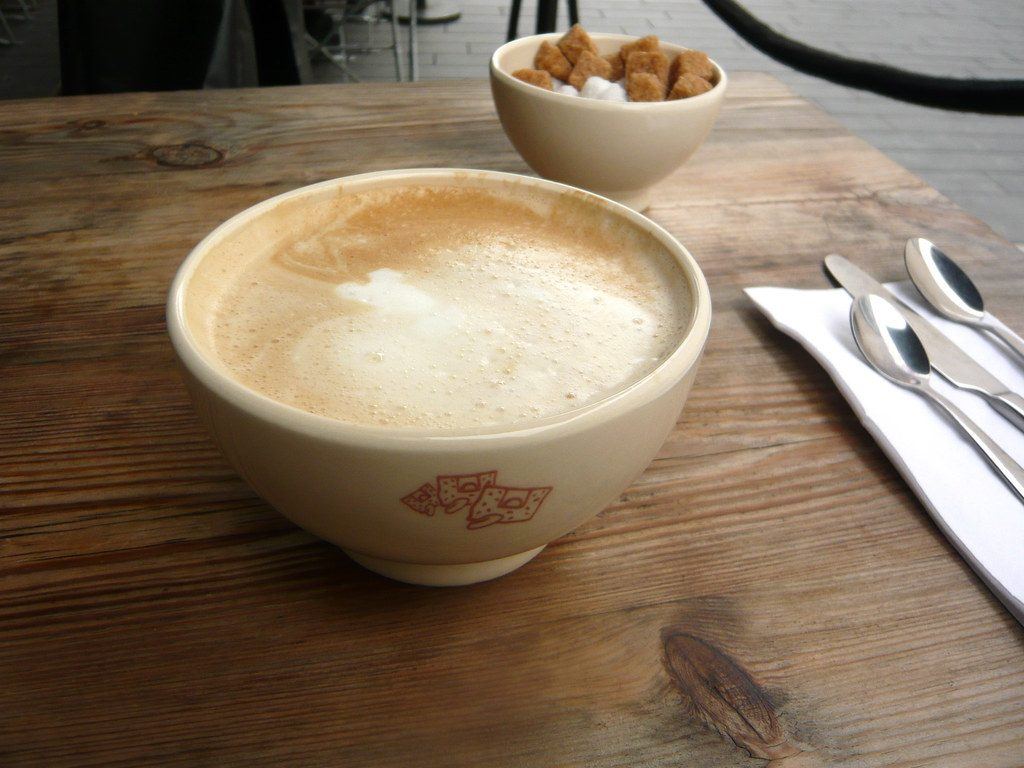
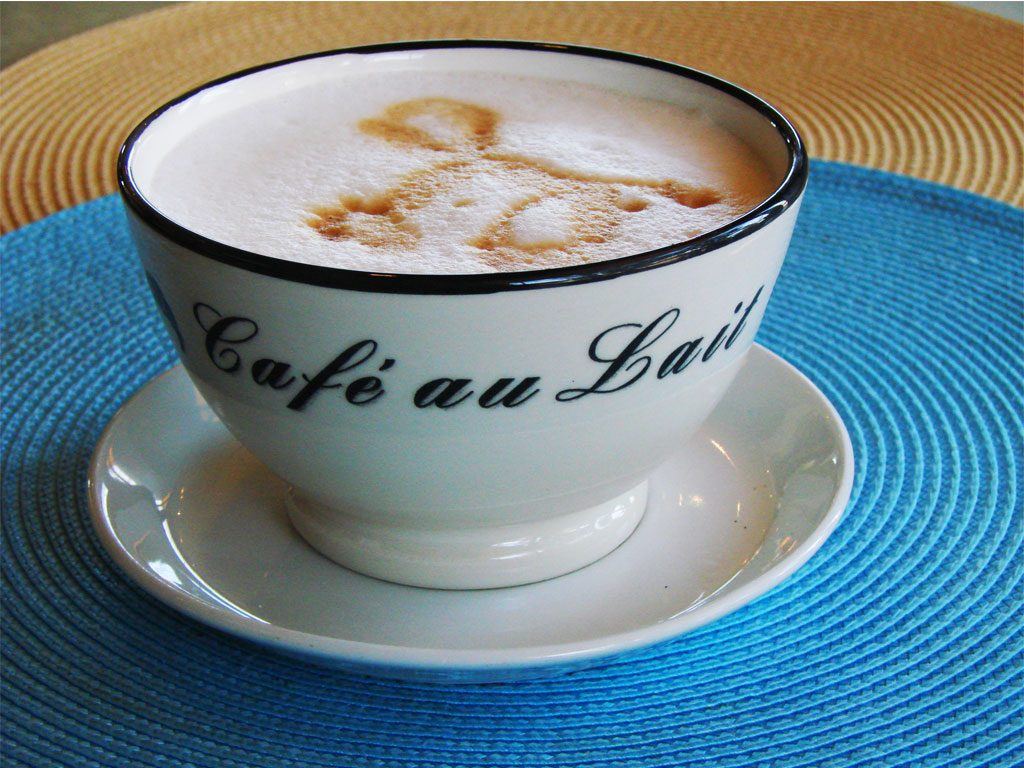
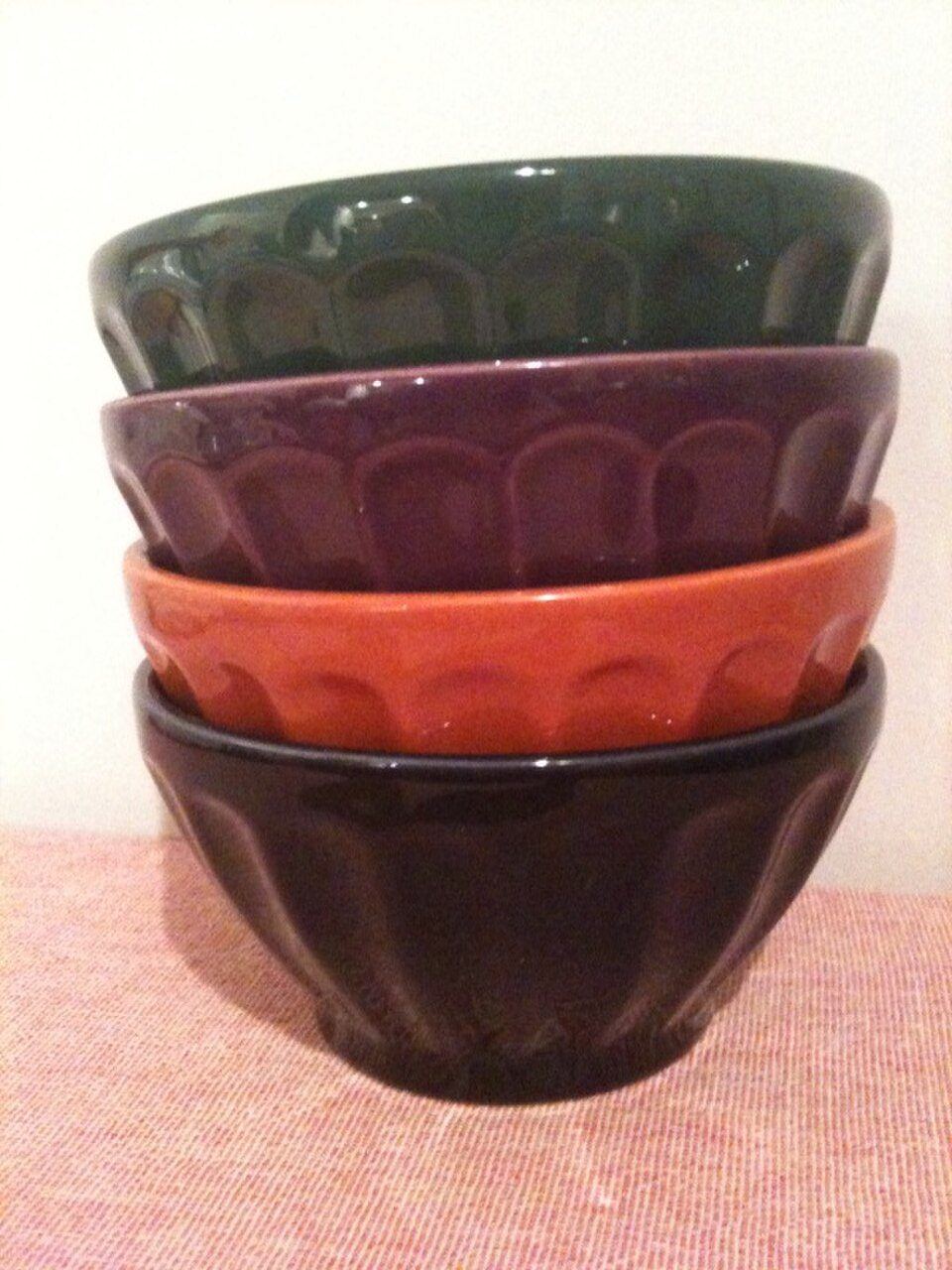
What makes it special is the ritual. French families traditionally drink it at breakfast from a wide, handleless bowl (un bol) held in both hands, often dunking a buttered tartine or a croissant. Milky coffee is very much a morning thing in France; after late morning most people switch to a small black café.
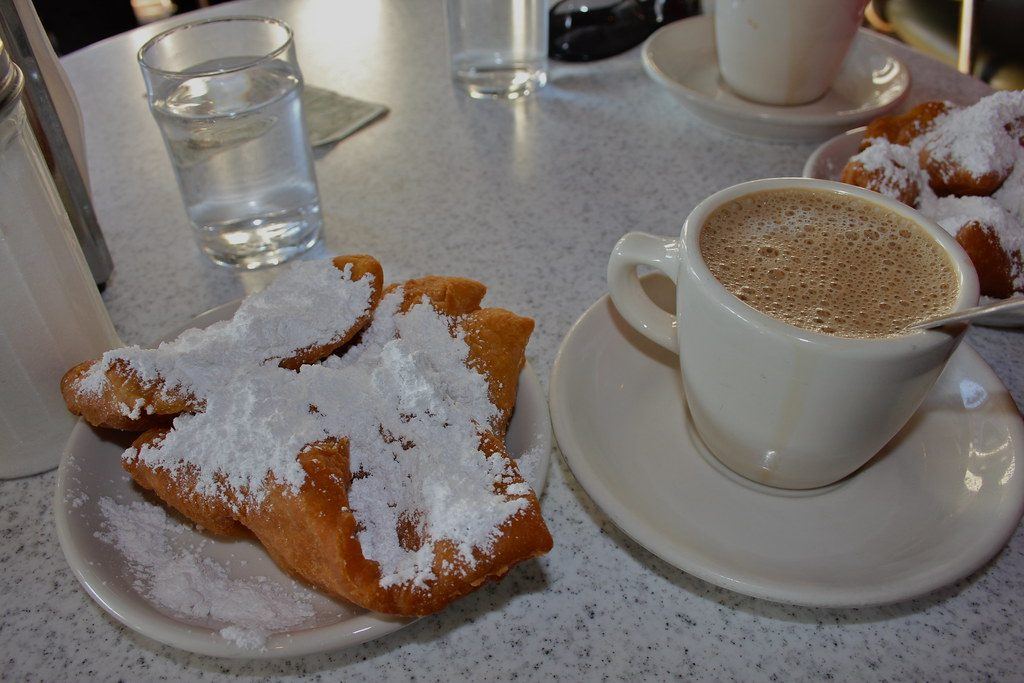
In French cafés and brasseries you will rarely see ‘café au lait’ on the board: the professional name for coffee with hot milk is café crème (or grand crème for a large one), and that is what you will be served if you ask for a café au lait. Elsewhere the name lives on, most famously in New Orleans, where café au lait is made with chicory coffee and scalded milk and served with sugar-dusted beignets.
In the cup
- Light froth 5%
- Hot milk 47%
- Brewed coffee 48%
Ingredients
- Medium-ground coffee15–20 g (about 2–3 tbsp)
- Hot water150 ml
- Whole milk150 ml
- Sugar (optional)To taste
How to make it
You needFilter, French press (cafetière) or moka pot; small saucepan; a wide café-au-lait bowl
RatioAbout 1 : 1 coffee to milk (some prefer up to 1 : 2)
-
Brew a strong cup of coffee with your filter, French press or moka pot.
-
Meanwhile heat the milk gently in a saucepan until steaming, stirring so it does not boil or catch.
-
Warm a wide bowl or large cup with hot water and tip it out.
-
Pour the coffee and the hot milk into the bowl at the same time, or coffee first then milk, in roughly equal amounts.
-
Sweeten if you like and serve with bread or croissants for dunking.
Origin & history
Coffee arrived in France in the second half of the 17th century, and Paris’s first famous café, Le Procope, opened in 1686. Adding milk to coffee seems to have caught on across Europe in the same period; the Dutch envoy Johan Nieuhof, who led an embassy to China, is often credited as the first person recorded drinking coffee with milk, around 1660. Over the following centuries, coffee with hot milk became the everyday French breakfast, made at home and drunk from a bowl.
The drink travelled with French settlers and culture. In Louisiana, chicory became a common way to stretch coffee, especially during the American Civil War when Union blockades cut off the port of New Orleans, and a chicory café au lait with beignets is still the signature order at the city’s Café du Monde.
Back in France, the name ‘café au lait’ remained a home and everyday term, while cafés standardised on the café crème.
Variations
- Café crème / grand crèmethe café version, usually espresso with hot milk (France)
- New Orleans café au laitchicory coffee with scalded milk, served with beignets (USA)
- Café noisettea much smaller espresso with a dash of milk, the colour of a hazelnut (France)
- Renverséa milk coffee with more milk than coffee (French-speaking Switzerland)
- Milchkaffee / koffie verkeerdthe German and Dutch equivalents
Good to know
In French cafés, order a café crème; 'café au lait' is understood but is really a home name.
Plain 'un café' in France gets you a small black espresso, so always say if you want milk.
Ordering a milky coffee after lunch marks you as a tourist in France; locals switch to black coffee.
Dunking bread or a croissant in your bowl is perfectly normal at a French breakfast table.
Traditional brasseries rarely offer plant milks; independent cafés and chains usually do.