Flat White
Flat white Say flat WYTE
Espresso (usually a double) topped with silky steamed milk and only a thin layer of microfoam, served in a small ceramic cup. Both Australia and New Zealand claim it, and it is now a café staple worldwide.
- ServedHot
- In EnglishEspresso with flat, velvety milk
- TastesBalanced, Creamy, Smooth
About Flat White
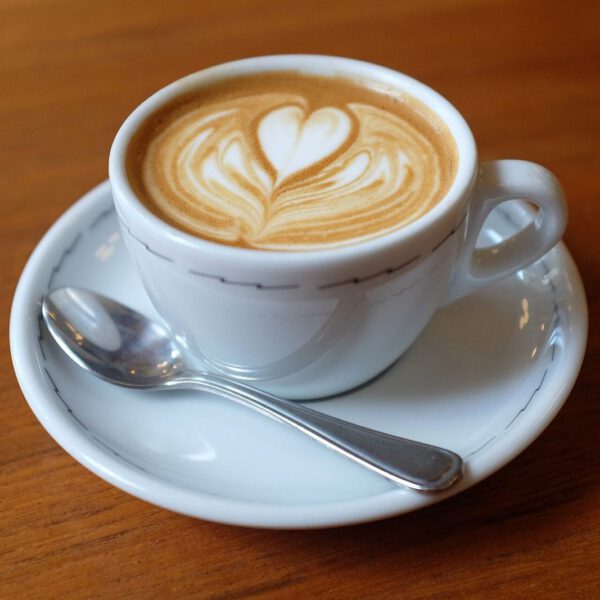
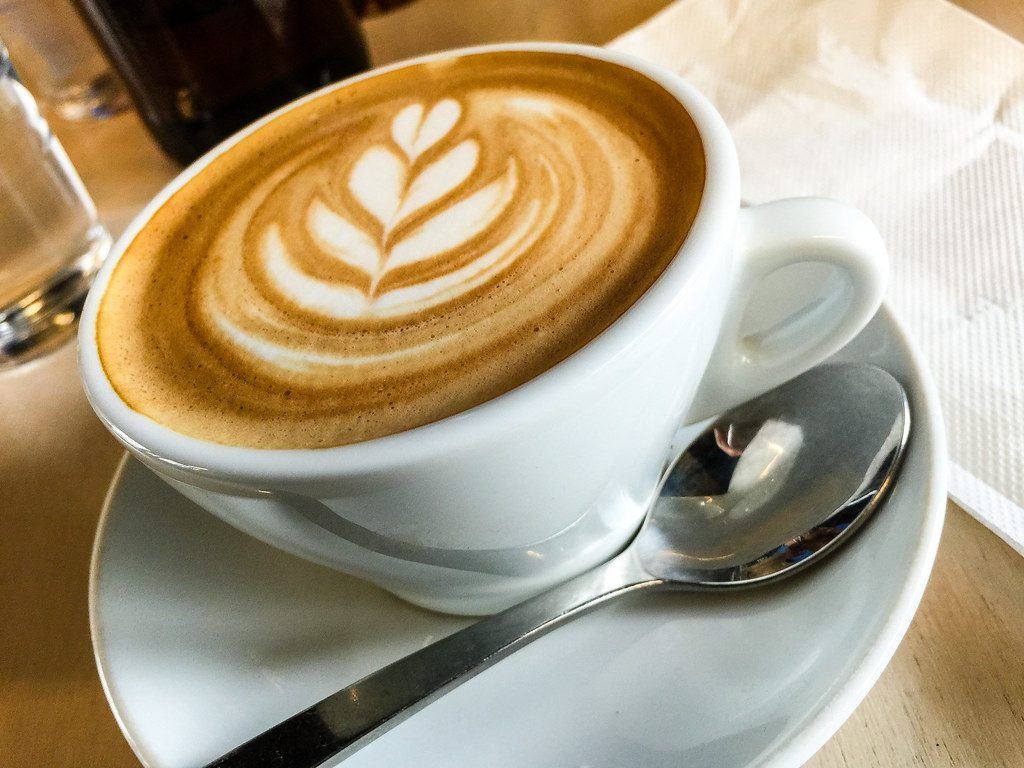
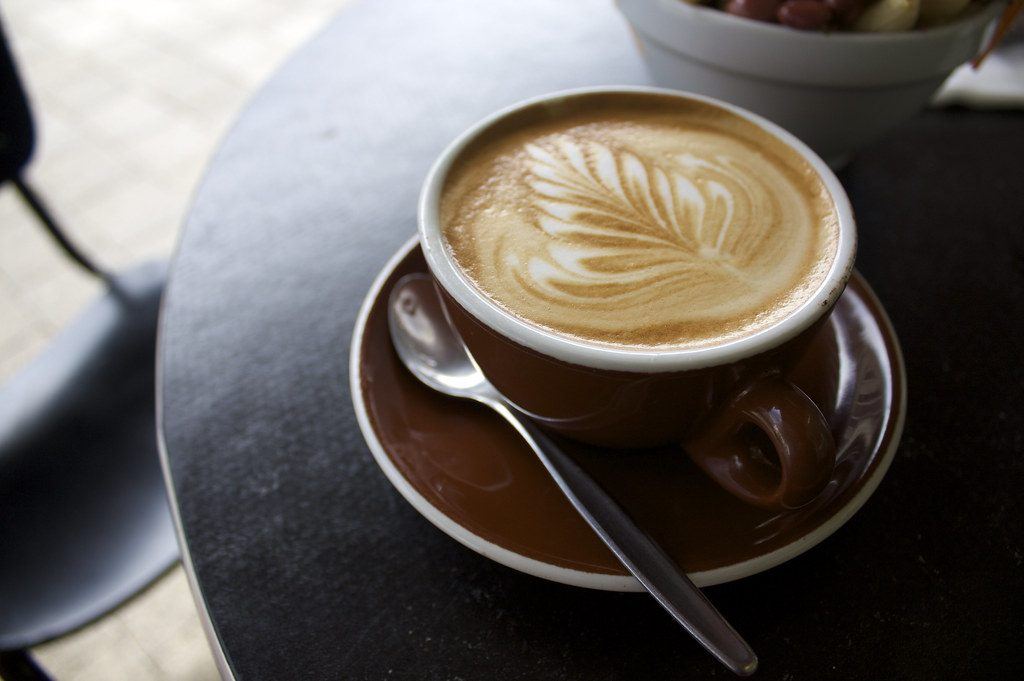
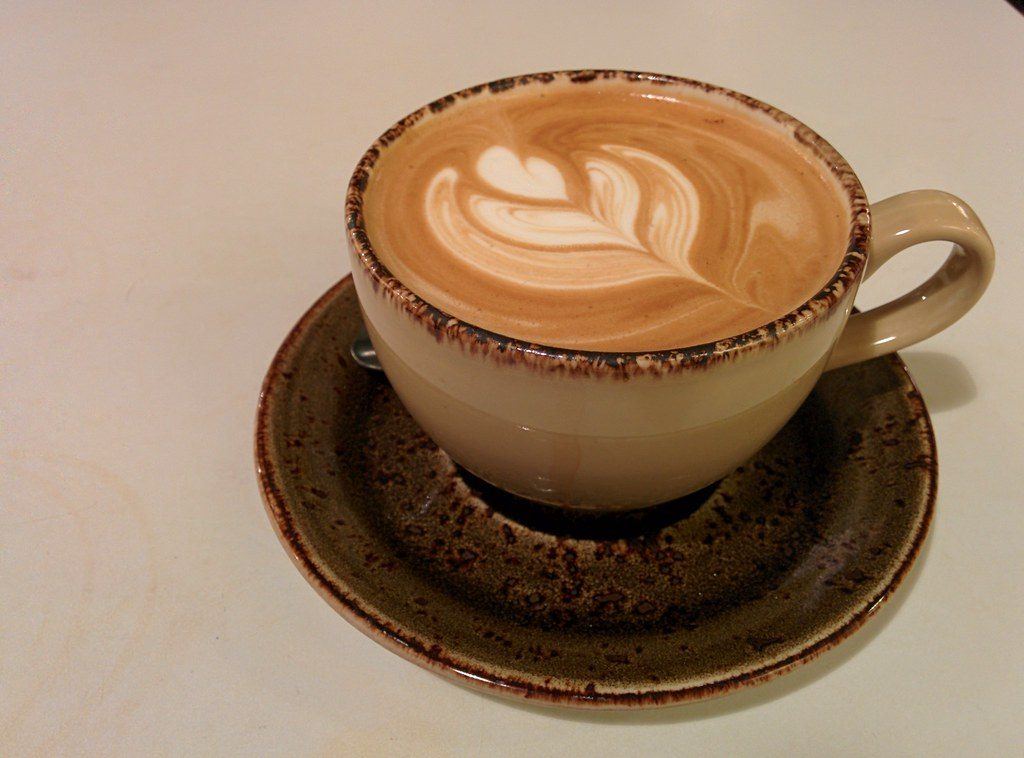
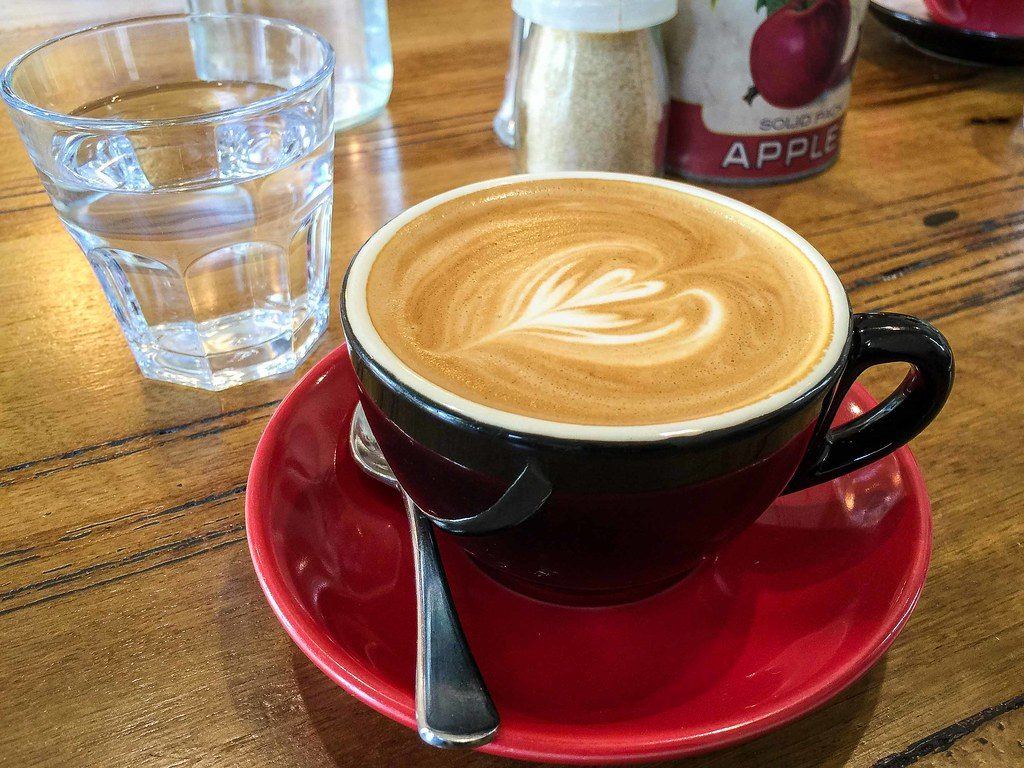
A flat white is espresso, usually a double shot, topped with steamed milk that has been textured into fine, glossy microfoam. The foam layer is thin, around half a centimetre, so the surface sits ‘flat’ with the rim of the cup rather than rising into a dome like a cappuccino. It is served in a small ceramic cup, typically 160–200 ml, which is smaller than most lattes.
Because the same espresso goes into less milk, a flat white tastes noticeably more of coffee than a latte while still feeling smooth and rounded. Good baristas pour it so the milk and crema blend into a single, silky texture, often finished with simple latte art such as a heart or a rosetta.
In Australia and New Zealand it is the everyday café order, drunk at any time of day, at the counter or alongside brunch. Since the mid-2000s it has spread to the UK, North America and beyond, carried largely by Antipodean baristas and café owners, and it is now on the menu of most specialty cafés and big chains.
In the cup
- Thin microfoam 7%
- Steamed milk 63%
- Double espresso 30%
Ingredients
- Finely ground espresso coffee18–20 g (for a double shot)
- Cold whole milk130–150 ml
How to make it
You needEspresso machine with steam wand, small milk jug, 160–200 ml ceramic cup
RatioAbout 1 : 2 to 1 : 3 espresso to milk (e.g. 50 ml double espresso with roughly 130 ml milk)
-
Warm the cup with hot water and tip it out.
-
Pull a double espresso (about 40–50 ml) straight into the cup.
-
Steam the cold milk with the wand just under the surface for a second or two to add a little air, then sink it to swirl and heat.
-
Stop when the jug is too hot to hold comfortably (about 55–65 °C); tap and swirl until the milk looks glossy.
-
Pour steadily from a low height so the milk merges with the crema, finishing with a thin, flat layer of foam or a simple latte art pattern.
Origin & history
Who invented the flat white is a long-running friendly argument between Australia and New Zealand, and the honest answer is that nobody knows for sure. On the Australian side, Sydney café owner Alan Preston, who came from Far North Queensland, said he put ‘flat white’ on the permanent menu of Moors Espresso Bar in 1985 and that he brought the idea from Queensland. Historian Garritt Van Dyk links it to cafés in Queensland’s sugar-cane towns, which served Italian farming families in the 1960s and 70s and offered a ‘flat’ white coffee. A Sydney café review from May 1983 already mentions a ‘flat white’.
New Zealand has its own claims. Derek Townsend and Darrell Ahlers of Cafe DKD in Auckland say they created it in the 1980s as an alternative to a latte, and another popular story credits barista Fraser McInnes, who says the name came from a ‘failed cappuccino’ that wouldn’t froth properly, at Bar Bodega on Willis Street, Wellington, in 1989. Historian Ian Bersten has even suggested the name may first have been used in England, where it appears in print by 1971.
Whatever its birthplace, the drink became the standard espresso-and-milk order in both countries through the 1980s and 90s. It reached London’s cafés by around 2005, Starbucks UK added it by 2010, and Starbucks brought it to the United States on 6 January 2015.
Variations
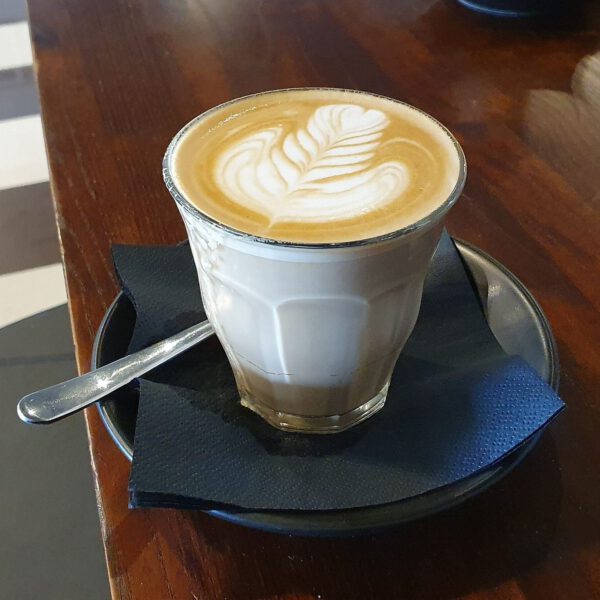
- Piccolo lattea single ristretto in a small glass filled with steamed milk (Australia)
- Iced flat whiteespresso and cold milk over ice, now common in chains worldwide
- Oat or soy flat whitemade with plant milk, very popular in the UK and Australia
Good to know
In Australia and New Zealand it usually comes with a double shot; if you prefer it milder, ask for a single.
A flat white is smaller than a latte. If you want a big milky drink, order a latte instead.
The milk should look glossy and paint-like, not bubbly; that microfoam is what makes a good flat white.
Ask for it 'extra hot' only if you must: very hot milk loses its natural sweetness.