Caffè Latte
Caffè latte / caffellatte Say kahf-FEH LAHT-teh
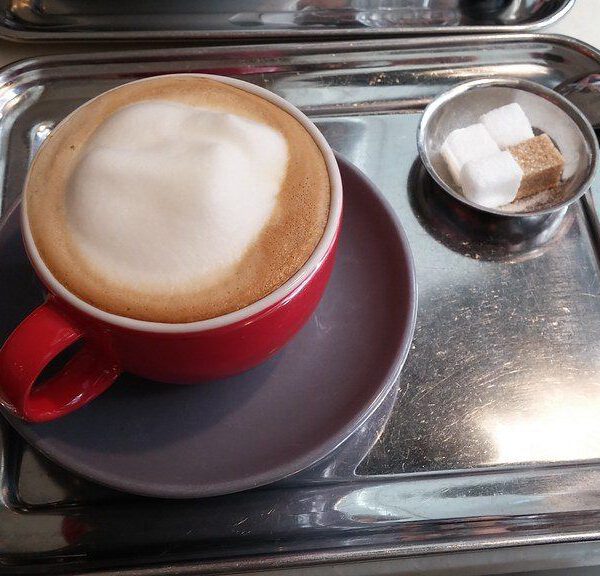
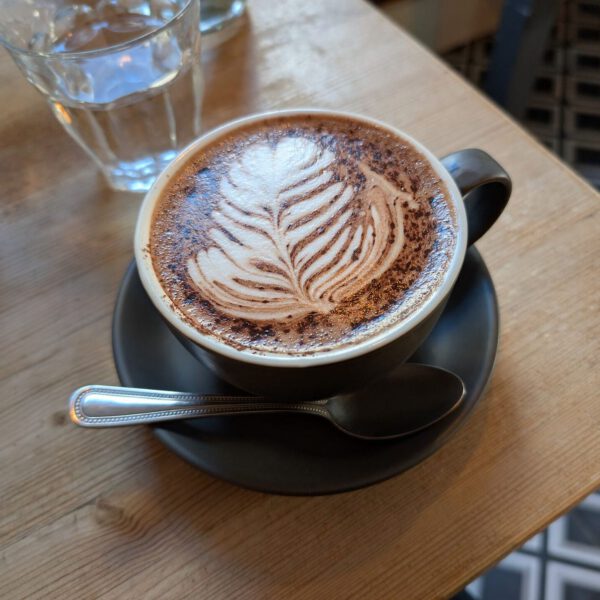
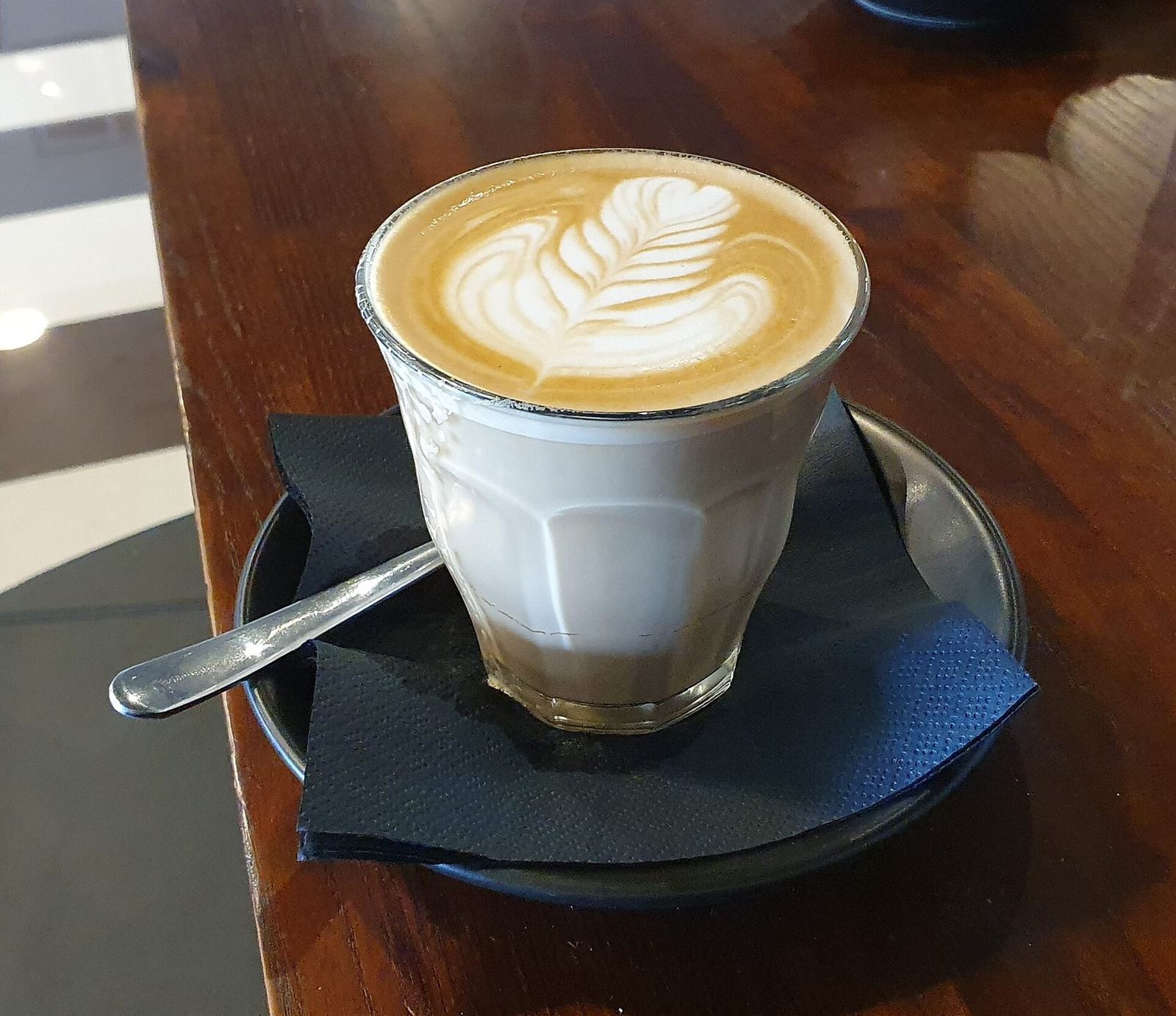
One or two shots of espresso topped up with a large amount of steamed milk and a thin cap of microfoam, served in a tall glass or big cup (about 230 ml or more). Gentle, creamy and the usual canvas for latte art.
- ServedHot & Iced
- In EnglishCoffee and milk
- TastesCreamy, Smooth, Sweet
About Caffè Latte
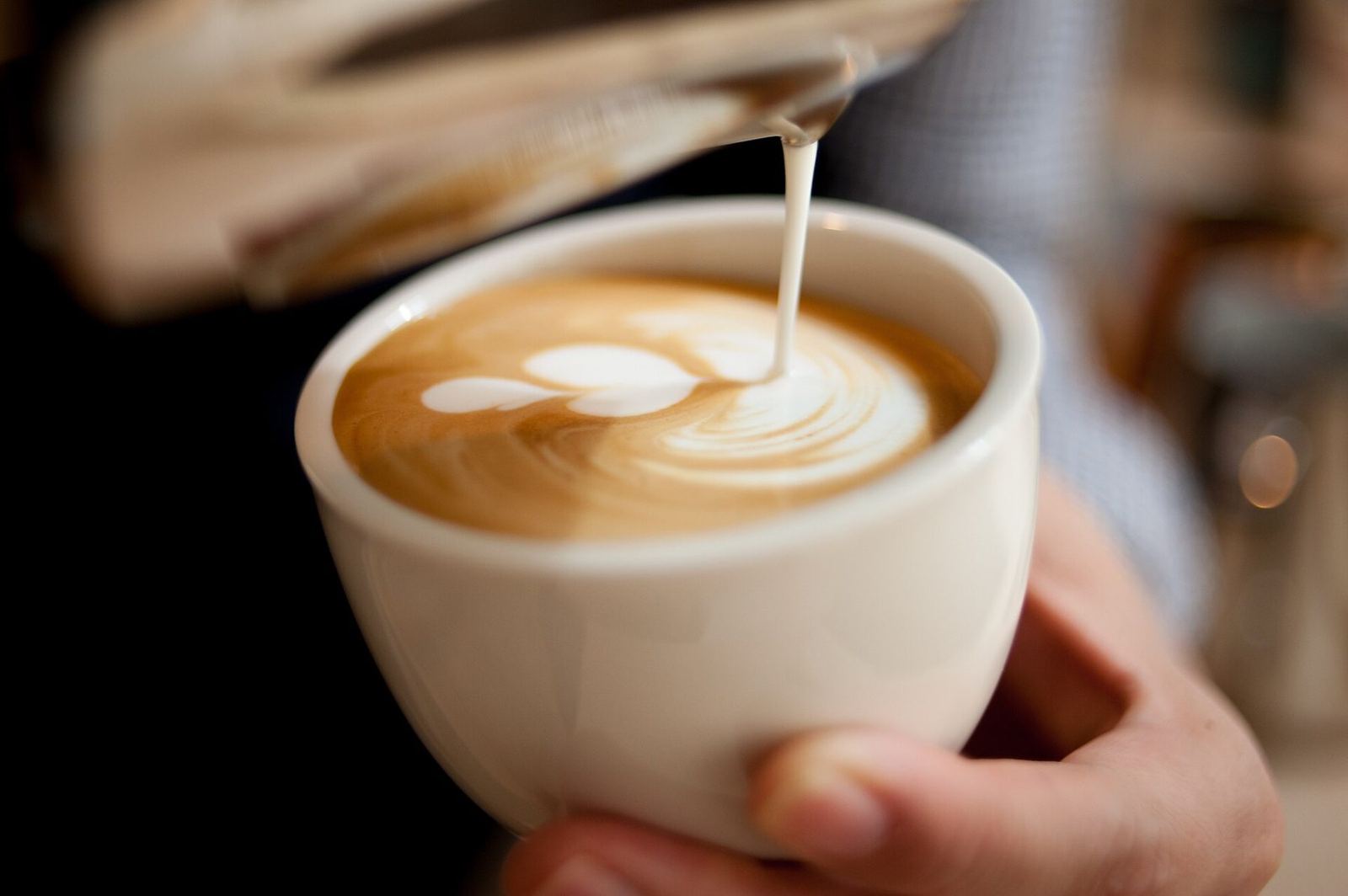
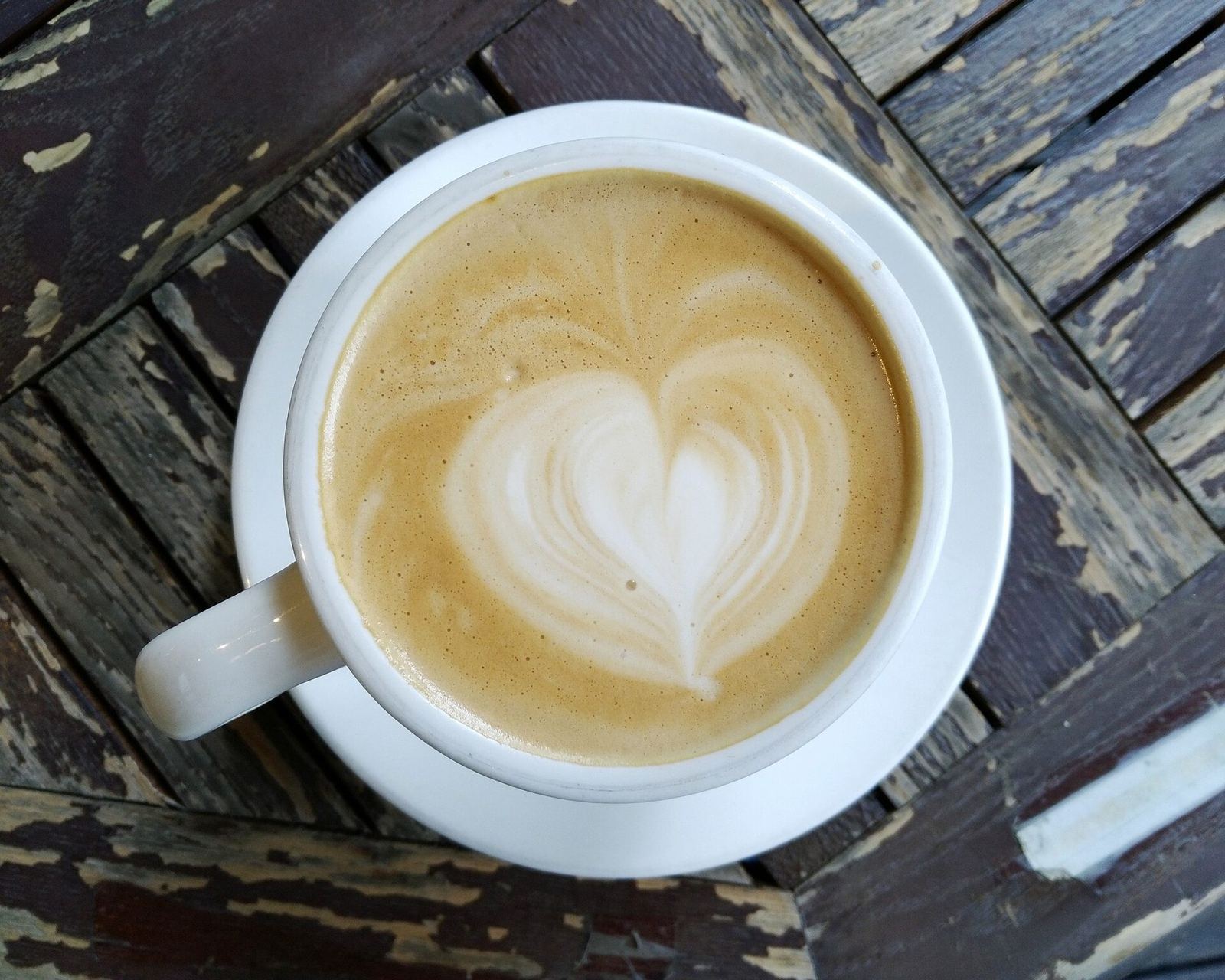
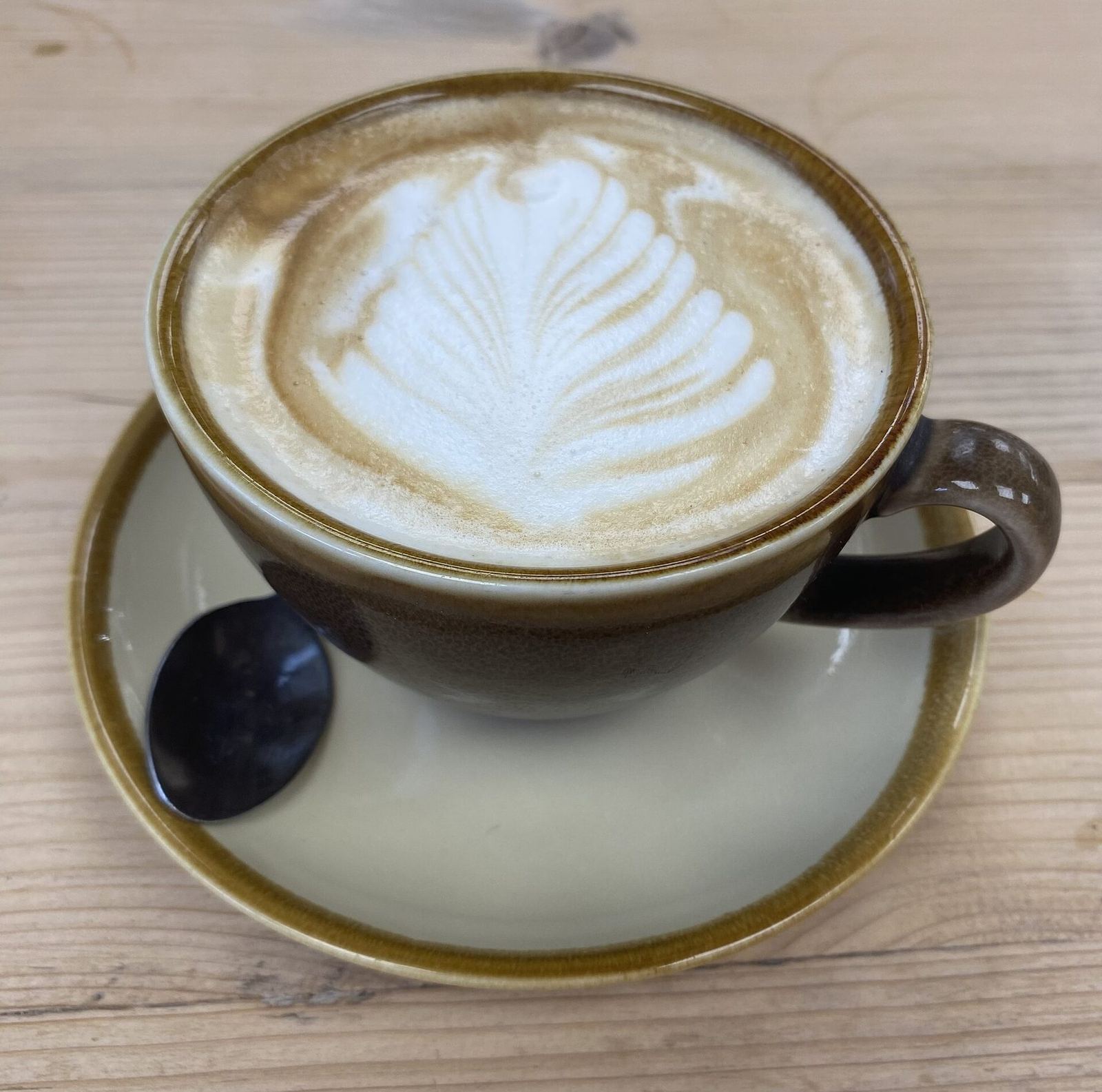
A caffè latte is espresso with a lot of steamed milk and only a thin layer of foam on top. With far more milk than a cappuccino, it tastes mild, smooth and naturally sweet, the coffee more of a warm background note. It is usually served in a tall glass or a large cup of about 230 ml or more, and its silky microfoam makes it the favourite drink for latte art.
In Italy the caffellatte is above all a breakfast drink, and it is often made at home with moka-pot coffee and hot milk. At a bar you must say “caffè latte” – order just a “latte” and you will be served a glass of milk. Outside Italy the latte became one of the world’s most popular café drinks, often in large sizes, flavoured with syrups, or iced.
Its appeal is its gentleness: it is an easy first espresso drink, a comforting mid-morning cup and a good match for people who find espresso too strong.
In the cup
- Microfoam 10%
- Steamed milk 75%
- Espresso 15%
Ingredients
- Espresso1–2 shots (25–60 ml)
- Cold whole milk≈ 180–250 ml
- Sugar or syrup (optional)to taste
How to make it
You needEspresso machine with steam wand (or moka pot and milk pan at home), milk jug, tall glass or large cup
RatioAbout 1 : 3 to 1 : 5 espresso to steamed milk, with ≈ 1 cm of foam
-
Pull one or two shots of espresso into a warmed glass or large cup.
-
Fill a milk jug with cold milk.
-
Steam the milk, letting in only a little air so it grows by about a fifth, until the jug is hot to touch (≈ 60–65 °C).
-
Swirl the jug so the milk looks glossy, like wet paint.
-
Pour steadily into the espresso, finishing close to the surface to leave a thin layer of foam (or a latte-art pattern).
-
At home without a machine: brew strong moka-pot coffee, heat and whisk milk, and combine in a large cup.
Origin & history
Coffee mixed with milk has been drunk in Europe since the 17th century, and the Italian caffè e latte – “coffee and milk” – was a common breakfast long before espresso machines. The term “caffè latte” is recorded in English as early as 1847, and the American writer William Dean Howells described being served one on a steamer between Trieste and Venice in his book Italian Journeys.
The modern café latte, made with espresso and steam-wand milk, belongs to the 20th century, after steam wands were added to espresso machines in the early 1900s. Its rise as a café drink is usually linked to the United States: Lino Meiorin (1927–1998), an Italian-trained barista at Caffe Mediterraneum in Berkeley, California, is often credited with putting a bigger, milkier espresso drink on the menu in 1959 for customers who found the cappuccino too strong – an account that comes mainly from the café itself.
The latte spread from the San Francisco Bay Area to Seattle in the early 1980s and across the US and the world in the 1990s, helped by the coffee-chain boom. Today it is one of the best-known coffee drinks anywhere – though in Italy you still have to remember the “caffè”.
Variations
- Latte macchiatosteamed milk first, with espresso poured on top to “stain” it, served in a layered glass (Italy)
- Iced latteespresso and cold milk over ice (worldwide)
- Flavoured lattevanilla, caramel or seasonal syrups added (United States and worldwide)
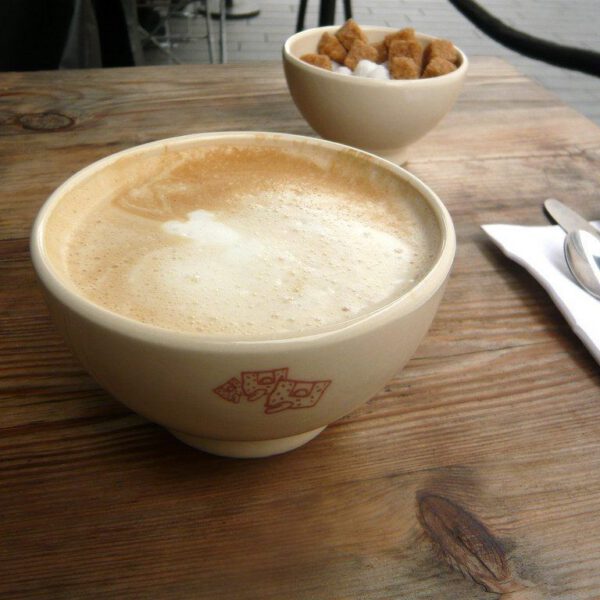
- Café au laitbrewed coffee and hot milk, often in a bowl (France)
- Flat whitesmaller and stronger, with very thin microfoam (Australia/New Zealand)
Good to know
In Italy always say “caffè latte”; “latte” on its own means plain milk.
Italians treat it as a breakfast drink – after lunch an espresso is the norm.
For a stronger coffee taste ask for a double shot, or order a cappuccino or flat white instead.
Iced lattes are standard abroad but not on most traditional Italian bar menus.