Cappuccino
Say kap-poo-CHEE-noh
One shot of espresso, then steamed milk and a deep layer of fine milk foam, in a cup of about 150–180 ml. Named after the brown habits of the Capuchin friars and drunk in Italy almost only in the morning.
- ServedHot
- In EnglishLittle Capuchin (friar)
- TastesBalanced, Creamy, Smooth
About Cappuccino
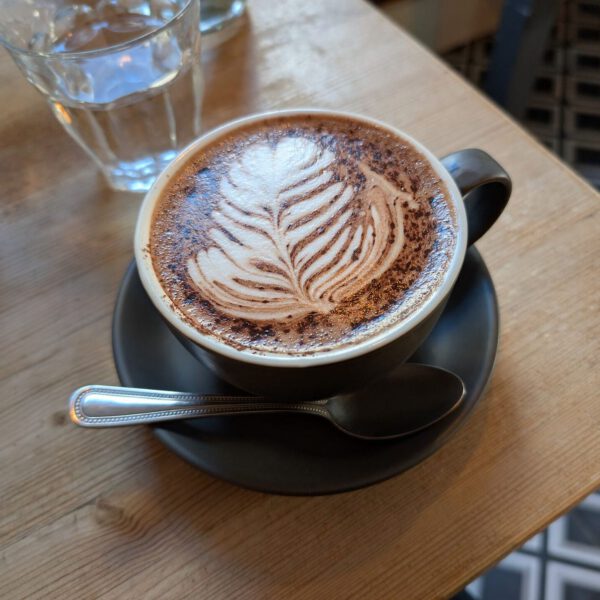
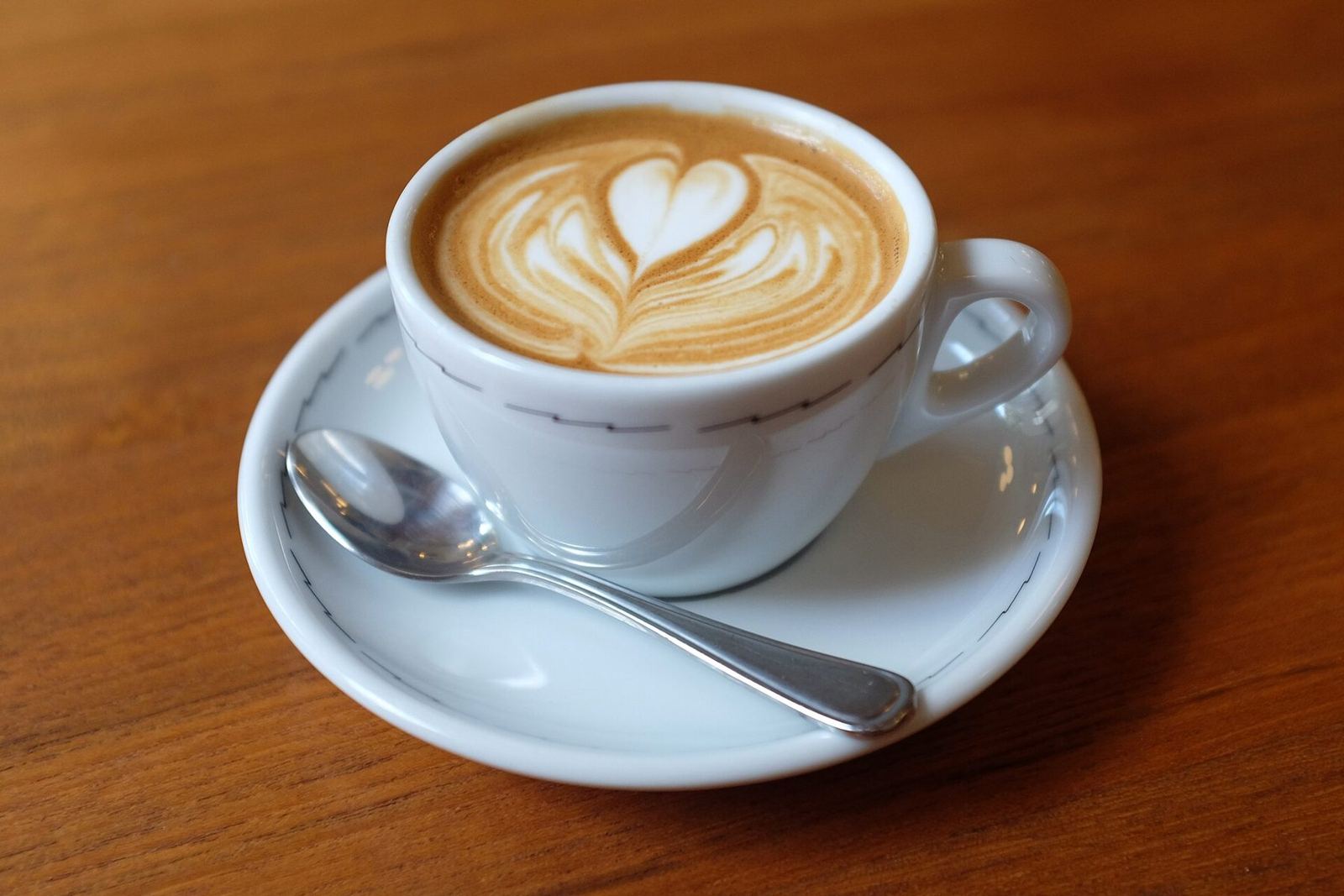
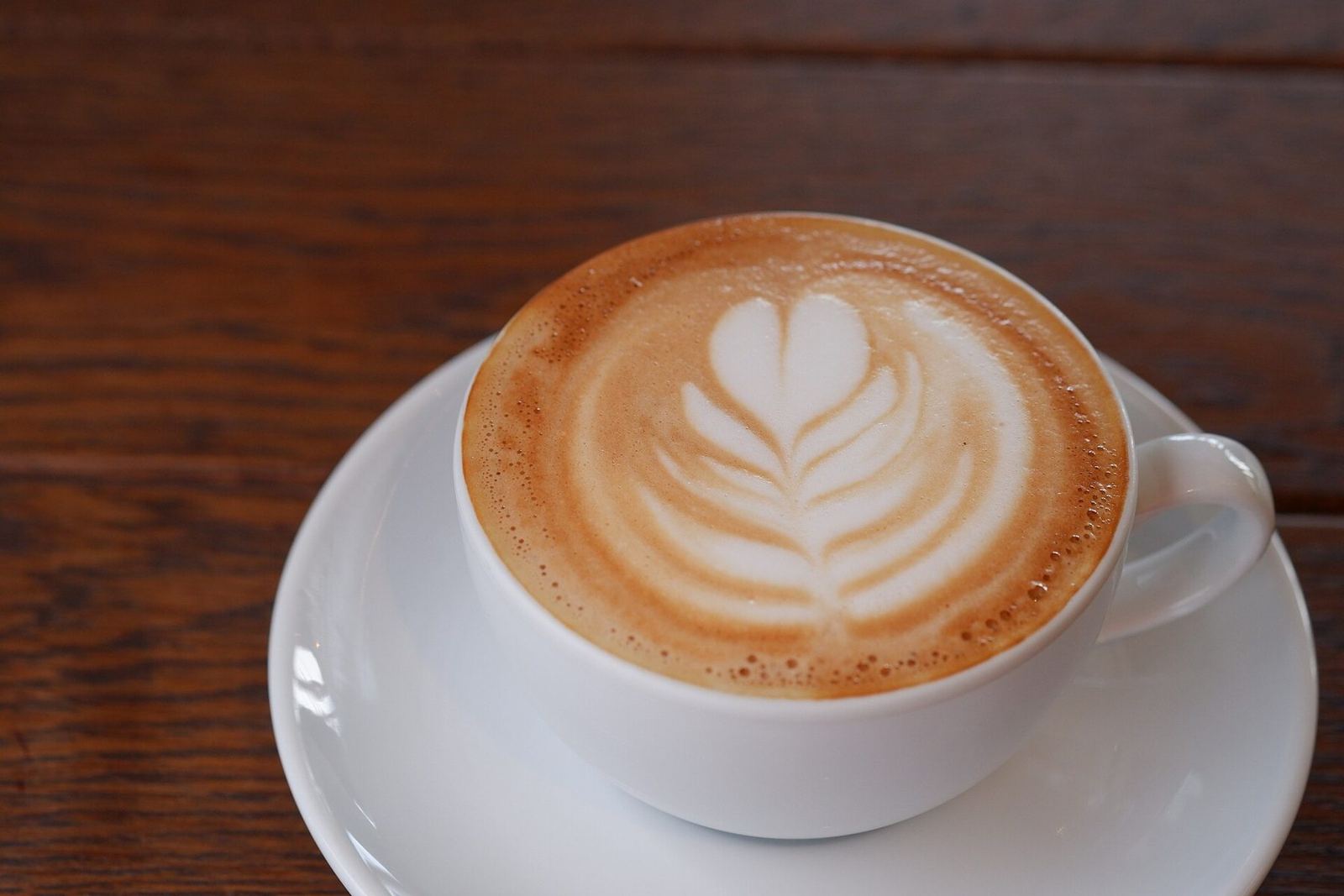
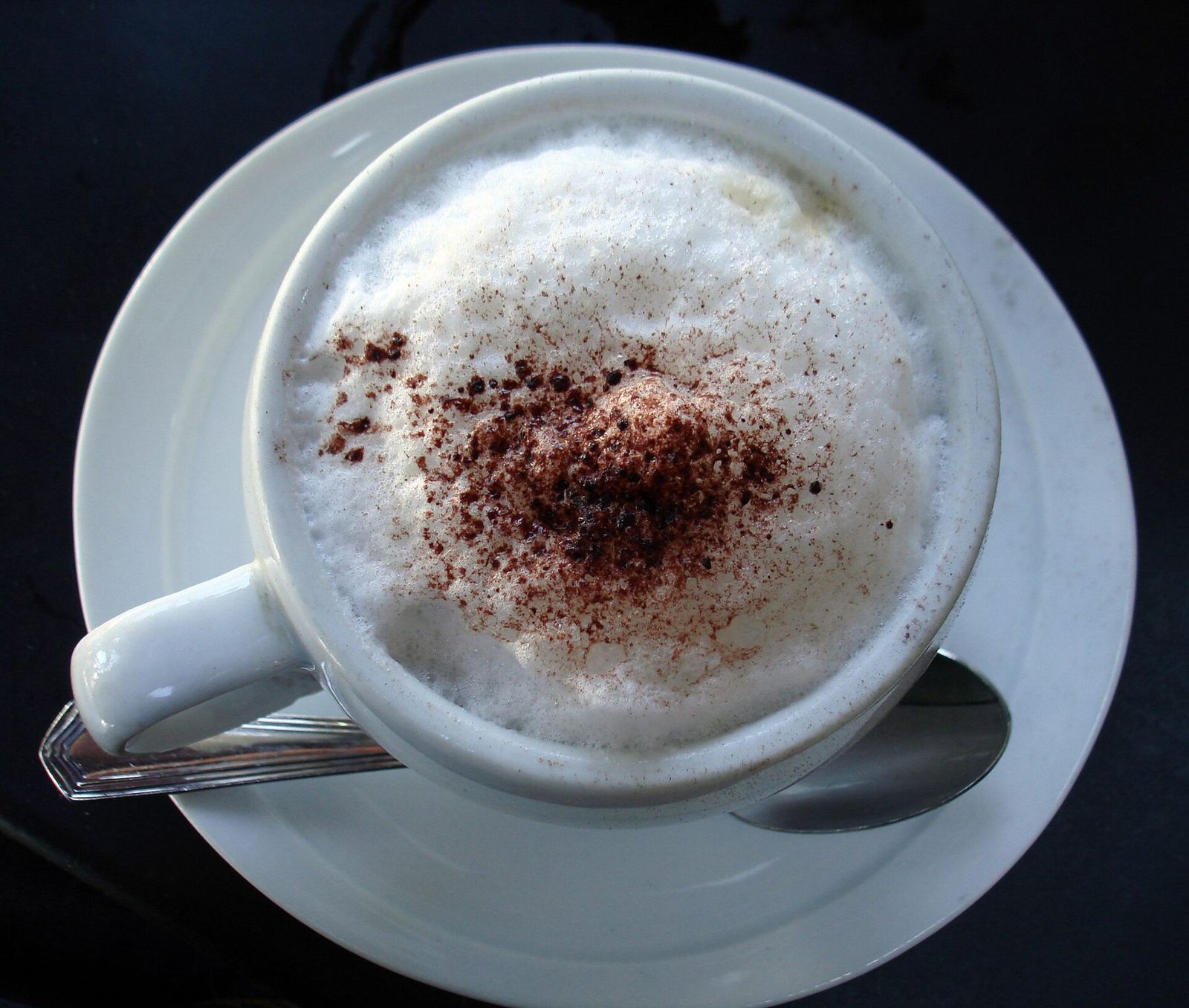
A cappuccino is a single espresso (about 25 ml) finished with steamed milk and a generous cap of dense, glossy milk foam – traditionally in roughly equal thirds. It is served in a small, wide porcelain cup of around 150–180 ml, so the coffee still comes through clearly: rich and slightly bitter underneath, sweet and creamy on top. Many cafés pour a heart or rosetta in the foam; others dust it with cocoa (common in Europe and Australia) or cinnamon (common in the US).
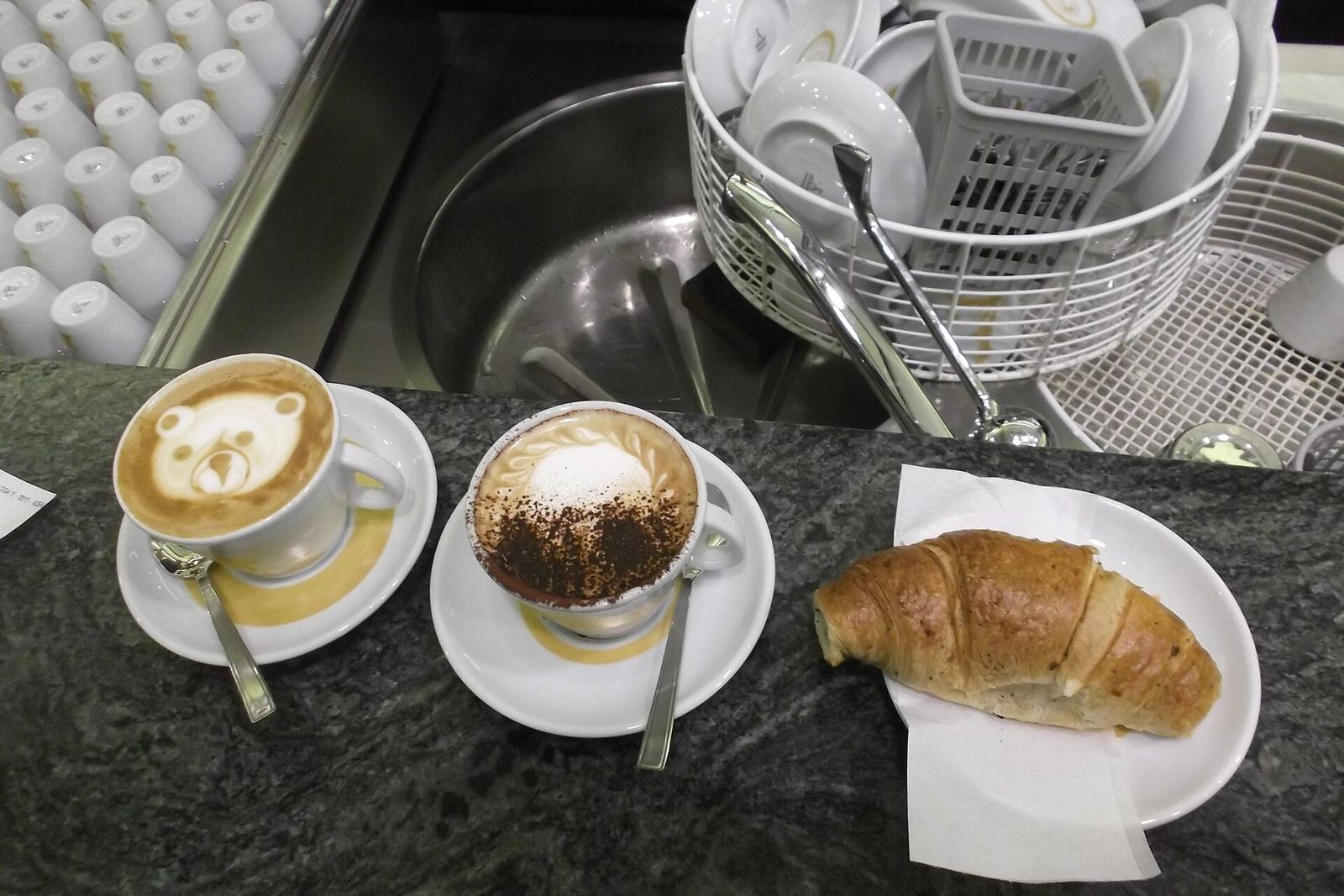
In Italy the cappuccino is a breakfast drink. Locals have one at the bar with a cornetto, usually before about 11 am, and switch to a plain espresso for the rest of the day – a milky coffee after lunch or dinner is seen as heavy. Elsewhere it is drunk all day, often in far larger cups than the Italian original.
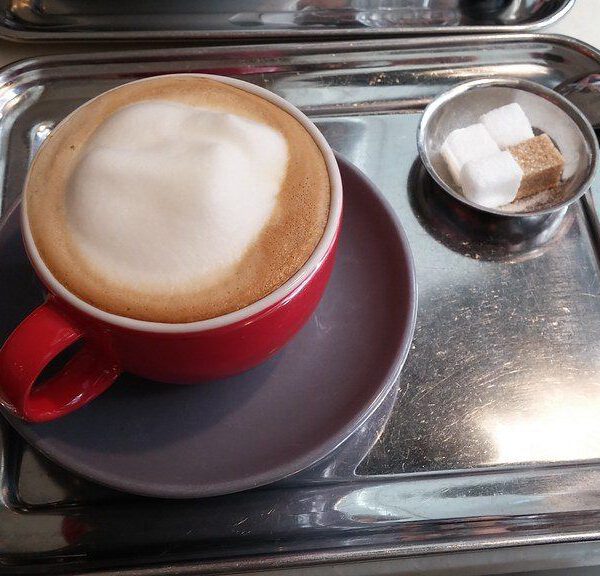
What makes a good cappuccino is the milk texture: fine, silky microfoam with no big bubbles, poured so it blends with the crema. Too much dry foam and it feels airy; too little and it becomes a small latte.
In the cup
- Milk foam 40%
- Steamed milk 35%
- Espresso 25%
Ingredients
- Espresso1 shot (≈ 25 ml, from 7 g coffee)
- Cold whole milk≈ 100–125 ml before steaming
- Cocoa powder (optional)a light dusting
How to make it
You needEspresso machine with steam wand, small stainless-steel milk jug, 150–180 ml cup
RatioRoughly 1 : 1 : 1 espresso, steamed milk and foam (25 ml espresso, cup topped with milk and foam)
-
Pull a single espresso straight into a warmed cappuccino cup.
-
Pour cold milk into the jug to just below the spout.
-
Steam the milk: keep the wand tip just under the surface to stretch it until it has grown by about half, then sink it to spin the milk until the jug is hot to touch (≈ 60–65 °C).
-
Tap and swirl the jug until the foam is glossy and free of big bubbles.
-
Pour into the espresso from a little height, then lower the jug to let the foam form a white cap on top.
-
Dust with cocoa if you like and serve at once.
Origin & history
The name comes from the Capuchin friars (cappuccini in Italian), whose brown hooded habits match the colour of coffee lightened with milk. In the coffee houses of the Habsburg Empire, a Kapuziner – coffee with a few drops of cream – was on menus by the late 1700s, and the Viennese may have been the first to use the name for a coffee drink.
“Cappuccino” appears in Italian writing from the late 19th century. The drink we know today – espresso topped with steamed and foamed milk – could only develop after espresso machines with steam wands spread in the early 20th century, and it took shape in Italian bars over the following decades.
From Italy it spread around the world with espresso culture, growing much bigger in many countries; US chains often serve 350 ml or more. In Italy, though, it remains a small breakfast cup, and baristas still judge a cappuccino by the quality of its foam.
Variations
- Cappuccino scuro / chiarodarker (less milk) or lighter (more milk) versions (Italy)
- Freddo cappuccinoespresso over ice topped with cold foamed milk (Greece)
- Kapuzinerblack coffee with a little cream, the older Viennese ancestor (Austria)
- Flat whitesmaller, with thin silky microfoam instead of a deep cap (Australia/New Zealand)
- Cappuccino with cinnamoncinnamon instead of cocoa on top (United States, South Korea)
Good to know
In Italy order it in the morning; after lunch or dinner locals switch to an espresso.
An Italian cappuccino is small – there are no medium or large sizes at a traditional bar.
Want it stronger? Ask for a “cappuccino scuro” (darker, less milk); lighter is “chiaro”.
Drink it at the counter with a cornetto for the classic Italian breakfast – it's cheaper than table service.