Caffè Mocha
Caffè mocha / mochaccino Say kahf-FEH MOH-kuh
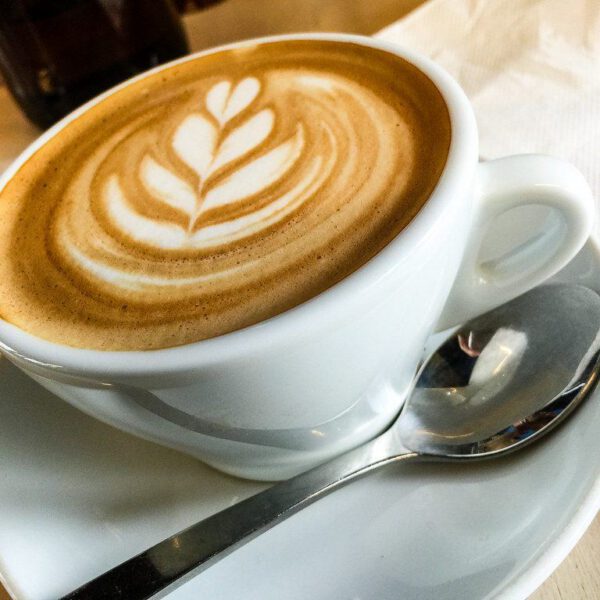
A chocolate-flavoured caffè latte: espresso mixed with cocoa or chocolate syrup, topped with steamed milk and often whipped cream or a dusting of cocoa. Sweet, rich and comforting.
- ServedHot & Iced
- In EnglishChocolate latte
- TastesChocolatey, Creamy, Sweet
About Caffè Mocha
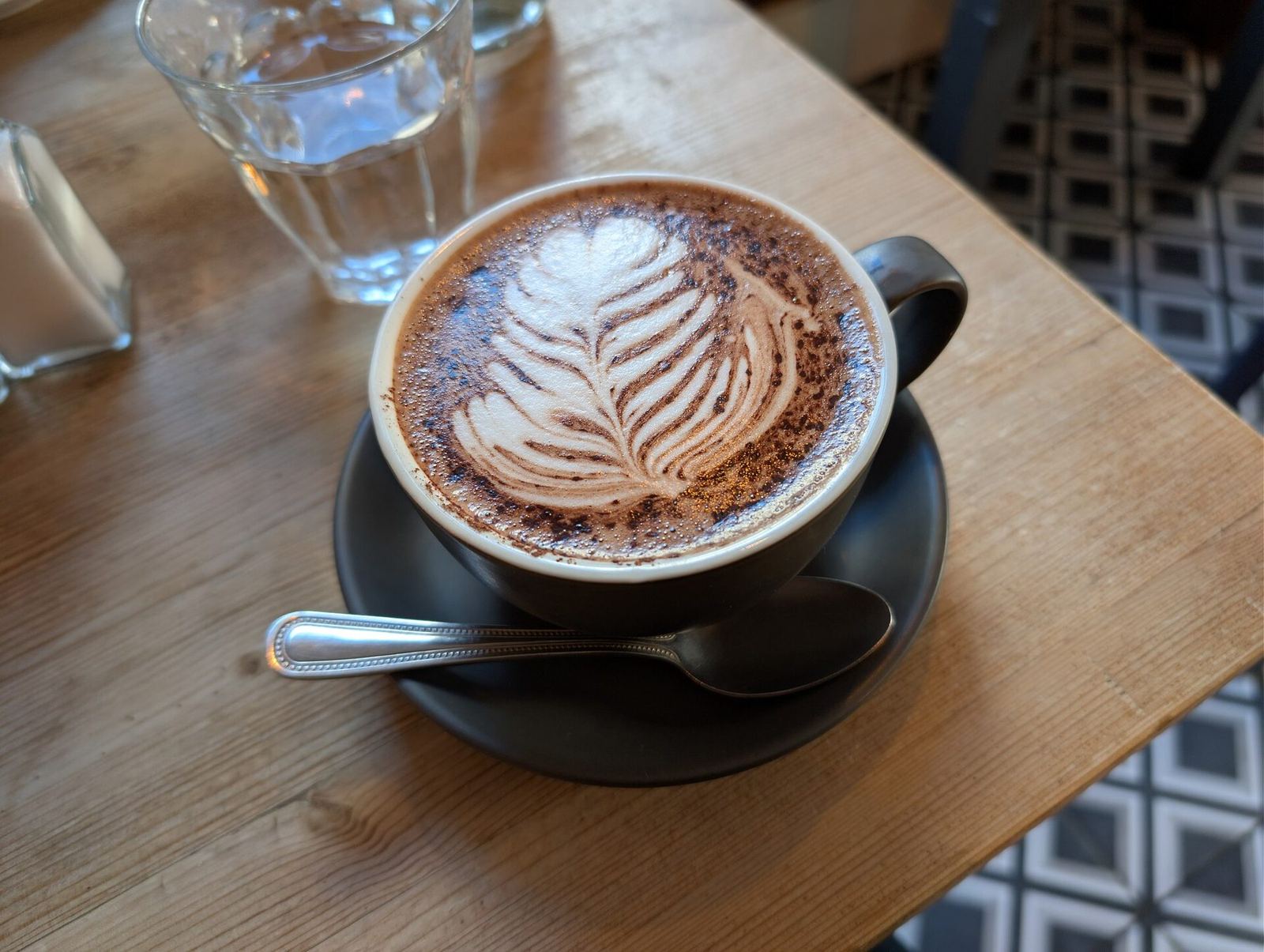
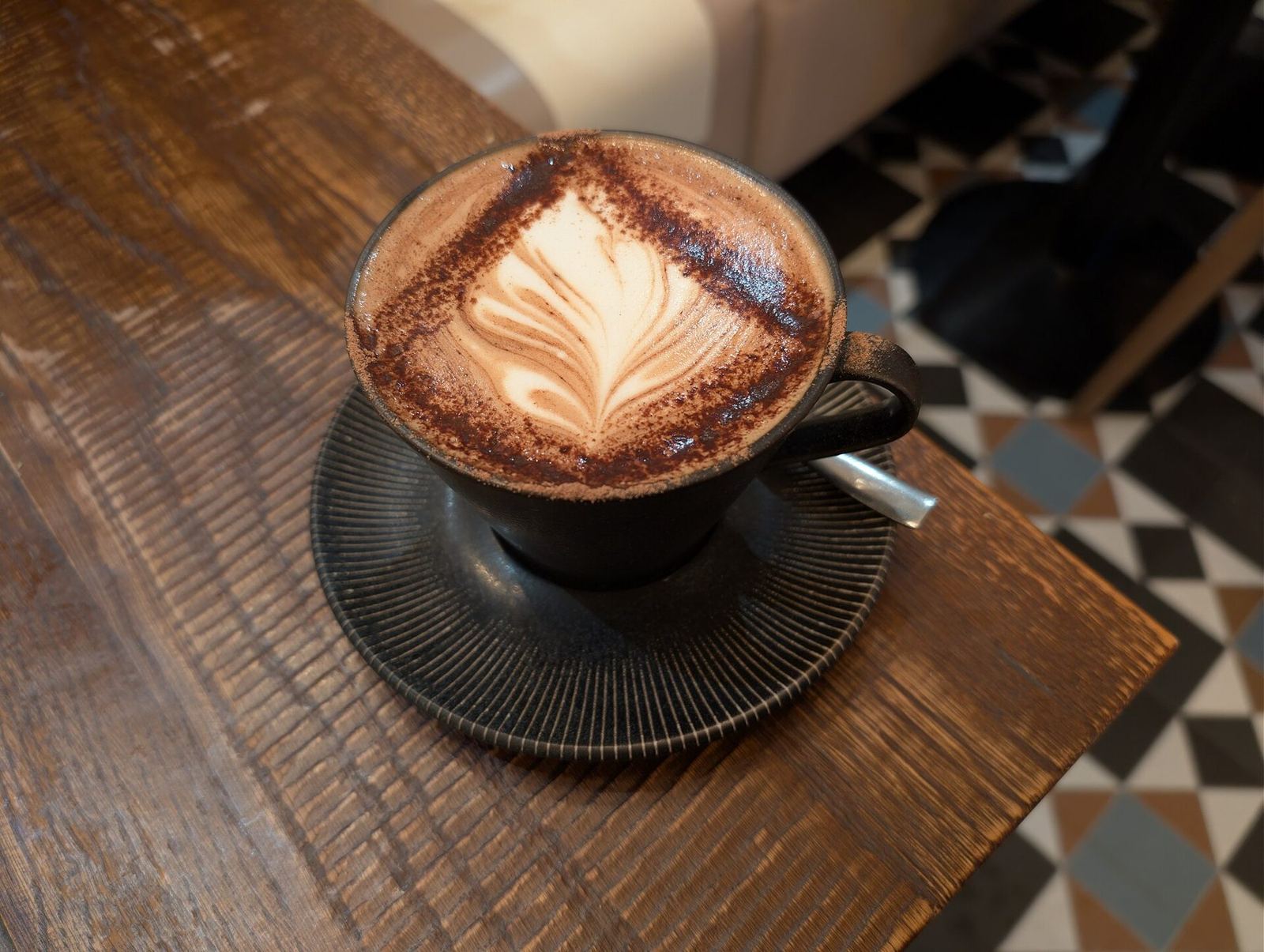
A caffè mocha is espresso and chocolate topped up with steamed milk – essentially a caffè latte with chocolate stirred in. It is usually made with cocoa powder and sugar or a chocolate sauce, finished with milk foam or whipped cream and a dusting of cocoa, cinnamon or sugar. The coffee’s bitterness meets the chocolate’s sweetness, so the drink tastes like a grown-up hot chocolate.
The mocha is a fixture of cafés around the world rather than of one country. It is a favourite with people who don’t love the taste of plain coffee, and a popular winter treat. Many cafés also offer a white mocha (white chocolate), iced mochas and seasonal versions.
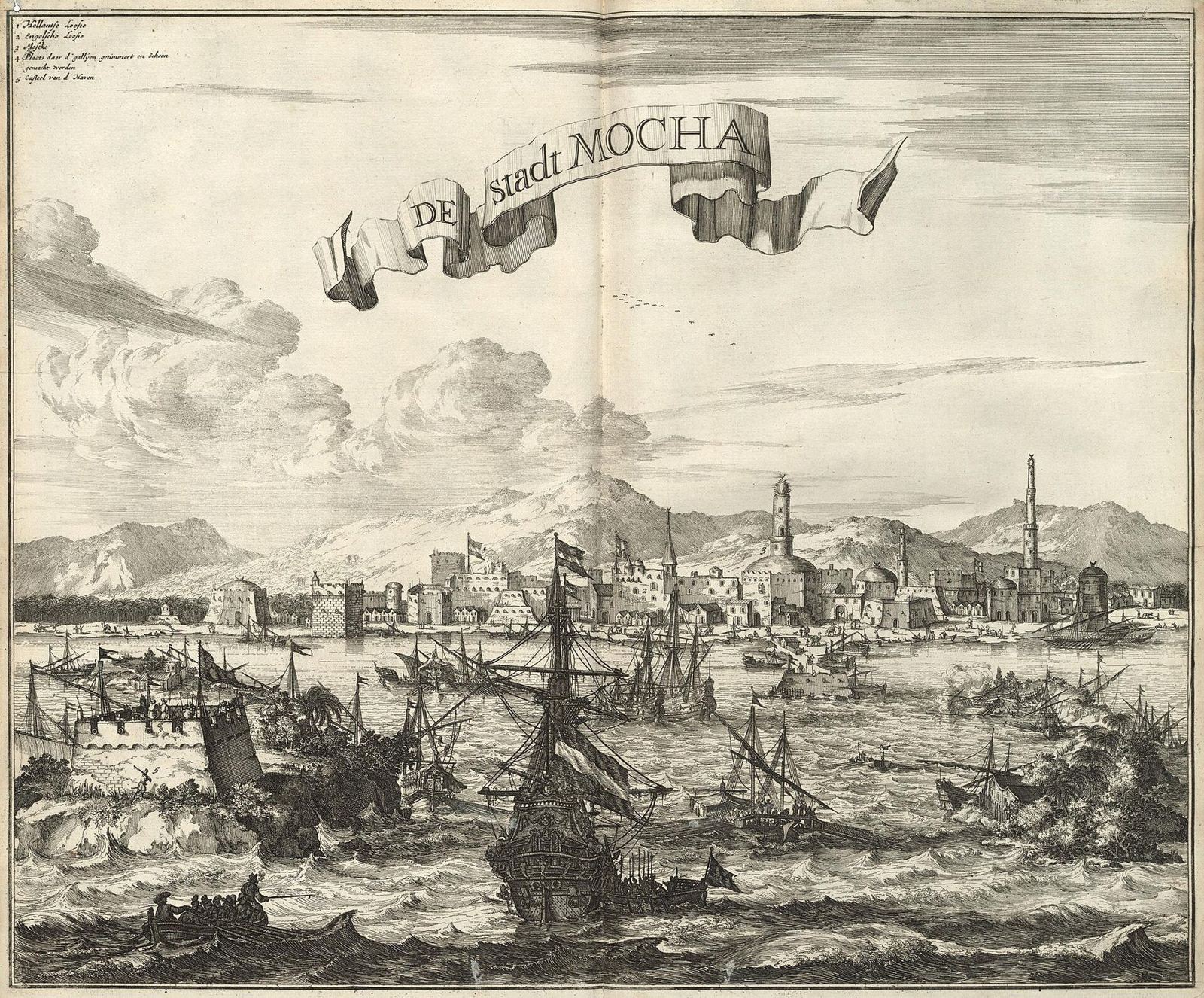
Its name is a piece of coffee history. Mocha (al-Mukha) is a port on Yemen’s Red Sea coast that was a major centre of the coffee trade from the 15th to the 17th centuries, and coffee shipped from there became known simply as “Mocha”. The link to chocolate came much later, around 1900, when “mocha” started to mean the combination of coffee and chocolate.
In the cup
- Foam or whipped cream 15%
- Steamed milk 60%
- Espresso 15%
- Chocolate sauce 10%
Ingredients
- Espresso1–2 shots (30–60 ml)
- Chocolate sauce (or 1–2 tsp cocoa + sugar)20–30 ml
- Whole milk≈ 180–220 ml
- Whipped cream and cocoa powder (optional)to top
How to make it
You needEspresso machine with steam wand (or moka pot and milk pan), spoon, large cup or glass
RatioAbout 1 : 1 espresso to chocolate sauce, topped with 3–5 parts steamed milk
-
Put the chocolate sauce (or cocoa and sugar) in the bottom of a warmed cup.
-
Pull one or two shots of espresso straight onto it and stir until smooth.
-
Steam the milk to about 60–65 °C with a light foam.
-
Pour the milk into the chocolate-espresso mix.
-
Top with foam or whipped cream and a dusting of cocoa.
-
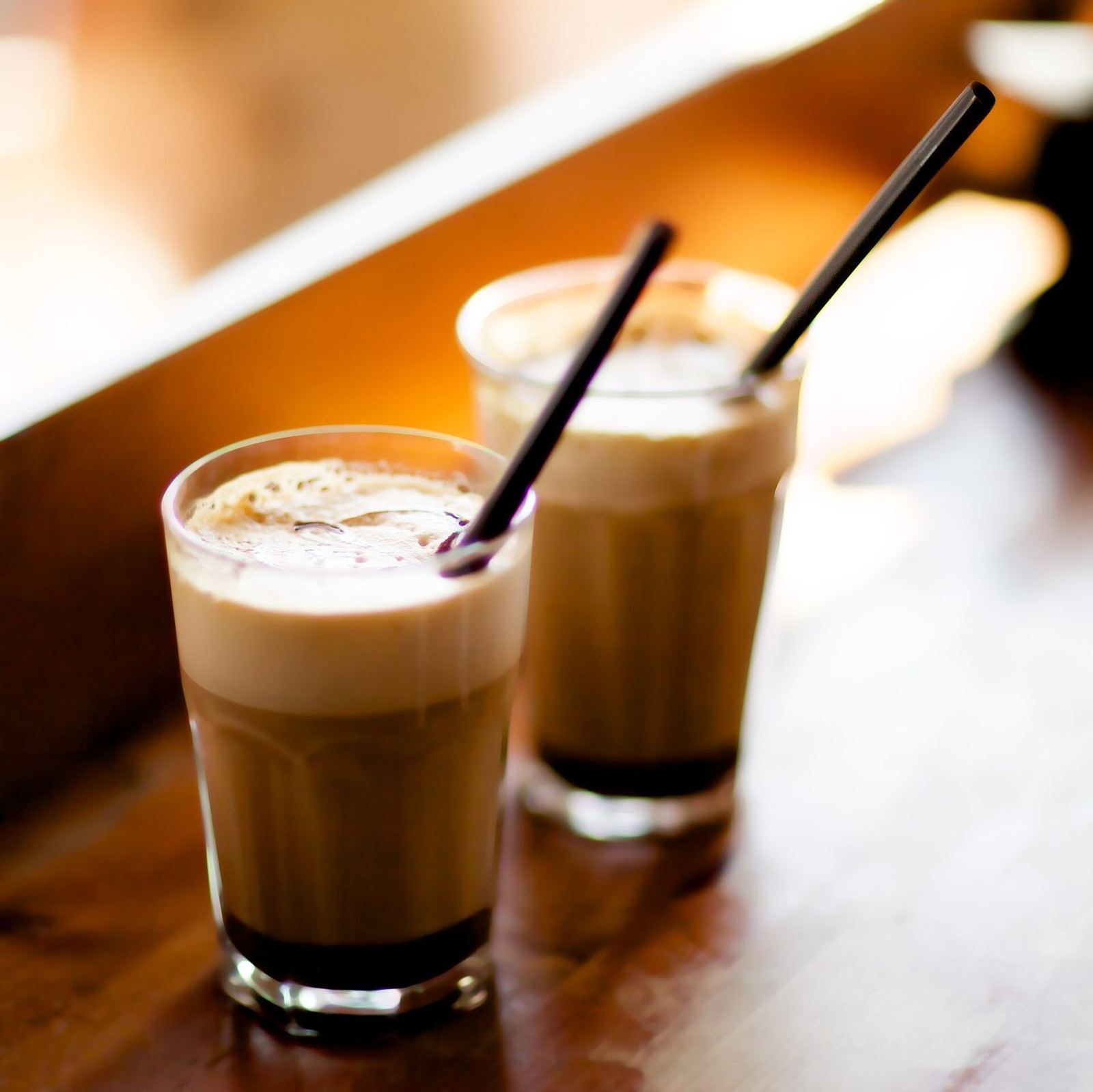
For iced: stir chocolate into the espresso, pour over ice and top with cold milk.
Origin & history
The name comes from Mocha (Mokha or al-Mukha), a small port on Yemen’s Red Sea coast. Coffee grown in Yemen’s mountains was shipped through it, and from the 15th to the 17th centuries it was one of the most important coffee ports in the world, with European merchants trading there. Coffee from the port became known abroad simply as “Mocha” – and the name stuck long after the port declined as coffee growing spread to other countries.
That original “Mocha” meant the coffee, not chocolate. Some say the later association came from a chocolatey note found in some Yemeni coffees, but this is not certain. Around 1900 “mocha” began to be used for coffee-and-chocolate combinations, and a “Chilled Mocha” recipe with milk, coffee and cocoa was published in 1920.
Coffee and chocolate had already met in Italy: in 18th-century Turin, the bavareisa evolved into the bicerin, still served in small glasses today. The espresso-based caffè mocha as we know it spread with café chains in the late 20th century and is now on menus worldwide.
Variations
- White mochamade with white chocolate (worldwide)
- Marble / zebra mochaa mix of dark and white chocolate (United States)
- Iced mochaespresso, chocolate and cold milk over ice (worldwide)
- Bicerinchocolate, coffee and cream layered in a small glass (Turin, Italy)
- Marocchinoa small espresso with cocoa and milk foam, served in a glass (Italy)
Good to know
Ask whether the café uses real melted chocolate or syrup – it makes a big difference.
Say “no whip” if you'd like it without whipped cream.
In Italy, look for the similar marocchino or, in Turin, the layered bicerin.
It is sweet and rich – a small size is often plenty.