Cafecito (Café Cubano)
Cafecito / café cubano Say kah-feh-SEE-toh
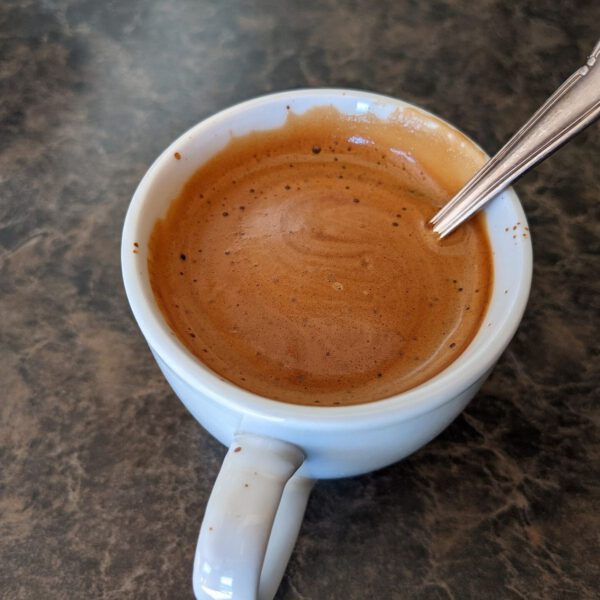
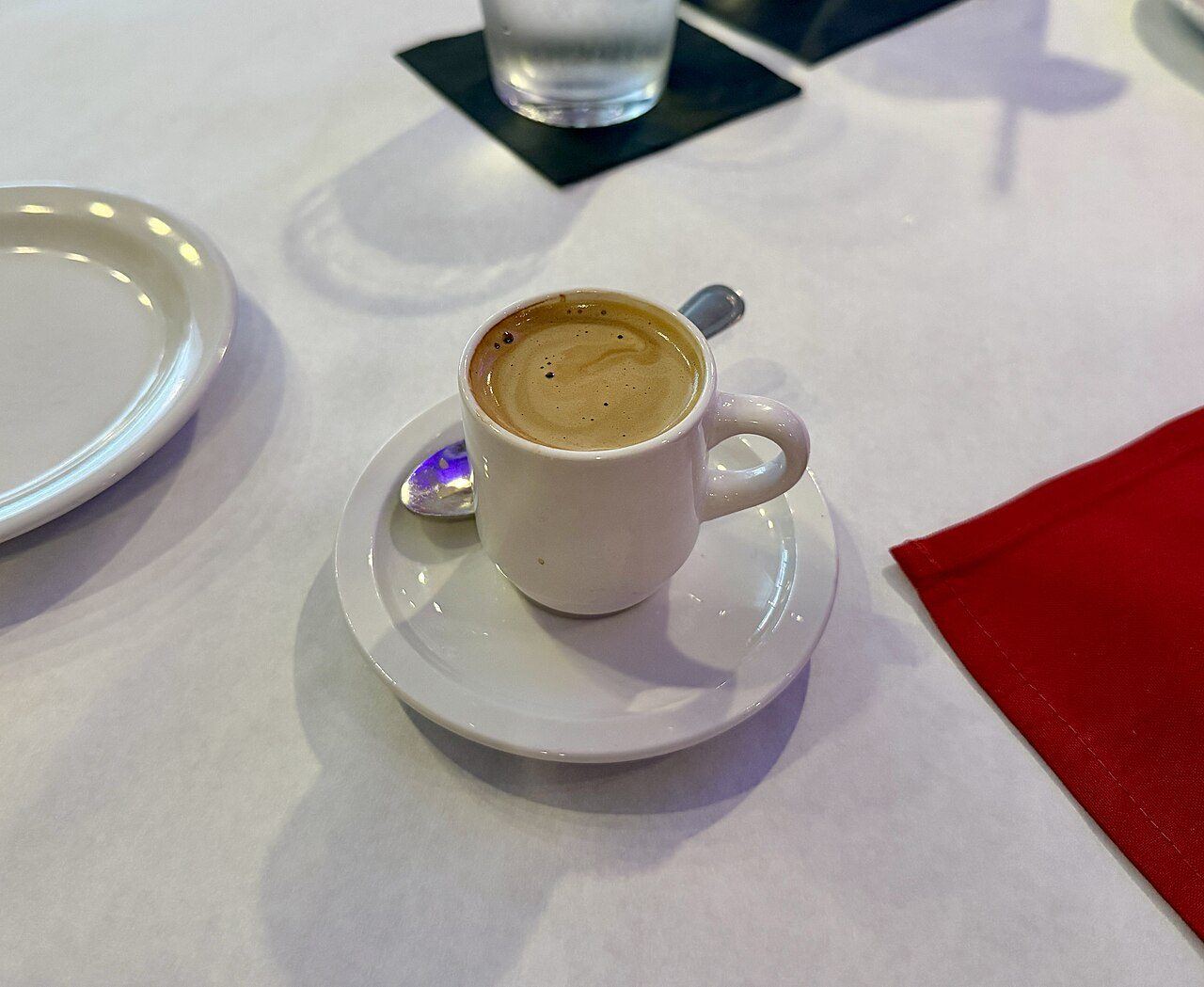
Cuba's signature coffee: a short, dark-roast espresso (from a moka pot or machine) sweetened during brewing by whipping the first drops with sugar into a light-brown foam called espumita. Strong, syrupy and meant to be sipped and shared.
- ServedHot
- In EnglishCuban espresso
- TastesBold, Rich, Sweet

About Cafecito (Café Cubano)
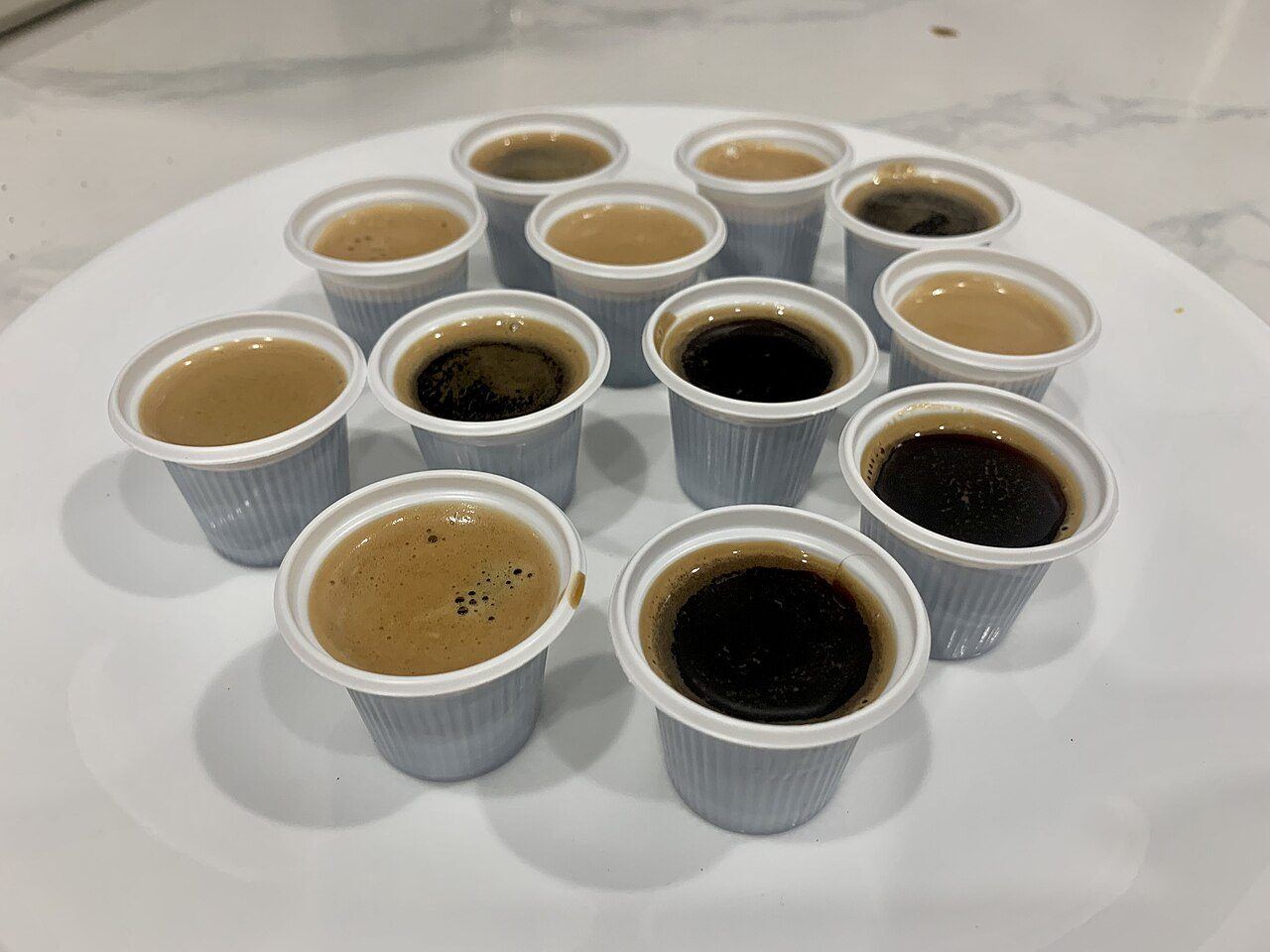
A cafecito, or café cubano, is a small shot of dark-roast espresso that arrives already sweet. And not just stirred-in-sugar sweet. The trick is the espumita (also called espuma): the first, most concentrated drops of coffee are beaten hard with plenty of sugar until they turn into a thick, pale caramel-coloured paste. The rest of the coffee is then poured over it, and the whipped sugar rises to the top as a creamy foam.
The taste is bold and roasty but rounded and syrupy, almost like a liquid dessert. At home it is usually made in a stovetop moka pot (cafetera); in cafés and at Miami’s walk-up coffee windows (ventanitas) it comes from an espresso machine. People drink it several times a day: first thing in the morning, mid-afternoon as a pick-me-up, and after lunch or dinner.
Cafecito is also a social ritual. A colada is a larger serving (often in a styrofoam cup) handed out with a stack of tiny plastic cups so co-workers or friends can share it. Add steamed milk and it becomes a cortadito; add lots of milk and it is café con leche. In Cuba and in Cuban-American communities, especially Miami’s Little Havana, offering someone a cafecito is a small act of hospitality.
In the cup
- Espumita (whipped sugar foam) 20%
- Sweetened espresso 80%
Ingredients
- Finely ground dark-roast espresso coffeeenough to fill a 3- or 6-cup moka pot basket
- Waterto the valve of the moka pot
- Sugar (white or demerara)≈ 1 tbsp per small cup (3–4 tbsp for a 6-cup pot)
How to make it
You needStovetop moka pot (cafetera) or espresso machine, small jug or cup for whipping, spoon, demitasse cups
RatioAbout 1 tbsp sugar per small cup; roughly 1–2 tsp sugar per 30 ml shot
-
Fill the moka pot base with water to the valve, add the finely ground coffee to the basket (level, don't tamp) and screw it together.
-
Put the sugar into a small jug or cup and set the pot over medium heat.
-
As soon as the first few spoonfuls of dark coffee come through, pour them onto the sugar and put the pot back on the heat.
-
Beat the sugar and coffee hard with a spoon until it becomes a thick, pale-brown paste, about 1–2 minutes.
-
When the pot has finished, slowly pour the rest of the coffee into the paste and stir gently. The espumita will rise to the top.
-
Pour into small cups, spooning a little foam onto each, and serve at once.
Origin & history
Coffee plants arrived in Cuba in 1748. Cultivation grew quickly after French planters fleeing the Haitian Revolution settled in eastern Cuba in the 1790s, and by the early 1800s coffee was briefly one of the island’s most valuable exports. Plenty of local sugar, together with Spanish and Italian espresso habits, shaped a coffee culture of small, very sweet cups.
After the 1959 revolution, coffee farms were nationalised and production declined. The cafecito habit, though, stayed strong, and it travelled with the hundreds of thousands of Cubans who settled in Miami from the 1960s onwards. There, Cuban restaurateurs such as Felipe Valls Sr., founder of Versailles and La Carreta, opened walk-up ventanitas that served cafecitos and coladas all day.
Today the ventanita is a Miami institution and a place to swap news and gossip over a shared colada, much as people once did around the coffee carts of Havana. In Cuba itself, coffee is still part of everyday life, offered to visitors and drunk several times a day.
Variations
- Coladaa larger, shareable cup of cafecito poured into tiny cups for a group (Cuba / Miami)
- Cortaditocafecito “cut” with roughly equal steamed milk (Cuba / Miami)
- Café con lechesweet Cuban coffee with plenty of hot milk, often for breakfast with buttered toast (Cuba / Miami)
Good to know
It comes sweet by default. If you want it without sugar, say "sin azúcar", but you'll lose the espumita.
Ordering a colada? Take the little cups and share them. That's the point.
In Miami, look for a ventanita (walk-up window) for the most authentic and cheapest cafecito.
At home, whip the first spoonful of moka-pot coffee with the sugar hard for 1–2 minutes until it is pale and thick.
Sip it slowly. It is small but strong and very sweet.