Espresso
Caffè espresso (usually just “caffè”) Say es-PRESS-oh (Italian: kahf-FEH es-PRES-soh)
Italy's everyday coffee: about 25–30 ml of intense, syrupy coffee extracted under roughly 9 bar of pressure in 25–30 seconds, crowned with crema. The base of the cappuccino, latte, macchiato and americano.
- ServedHot
- In EnglishPressed-out coffee
- TastesBitter, Bold, Rich
About Espresso
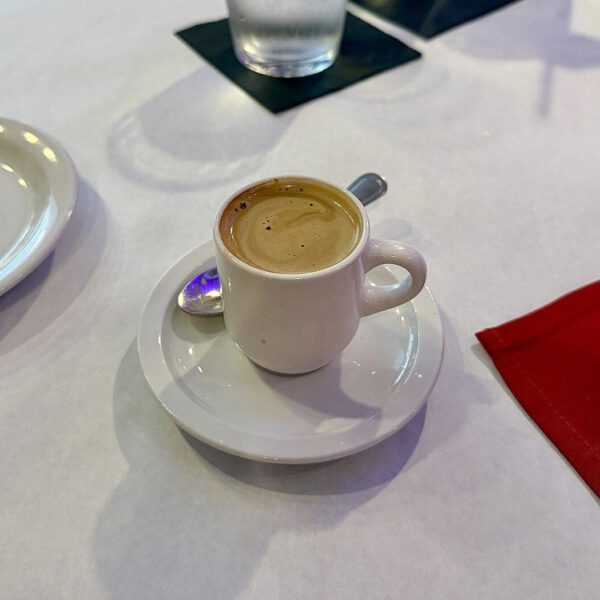
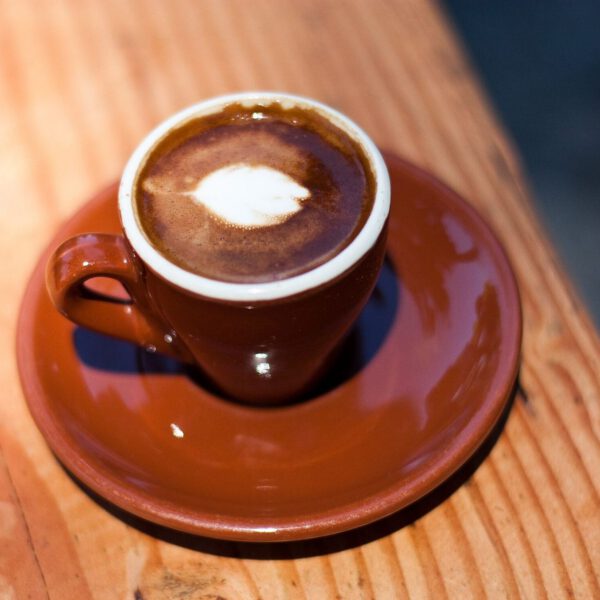
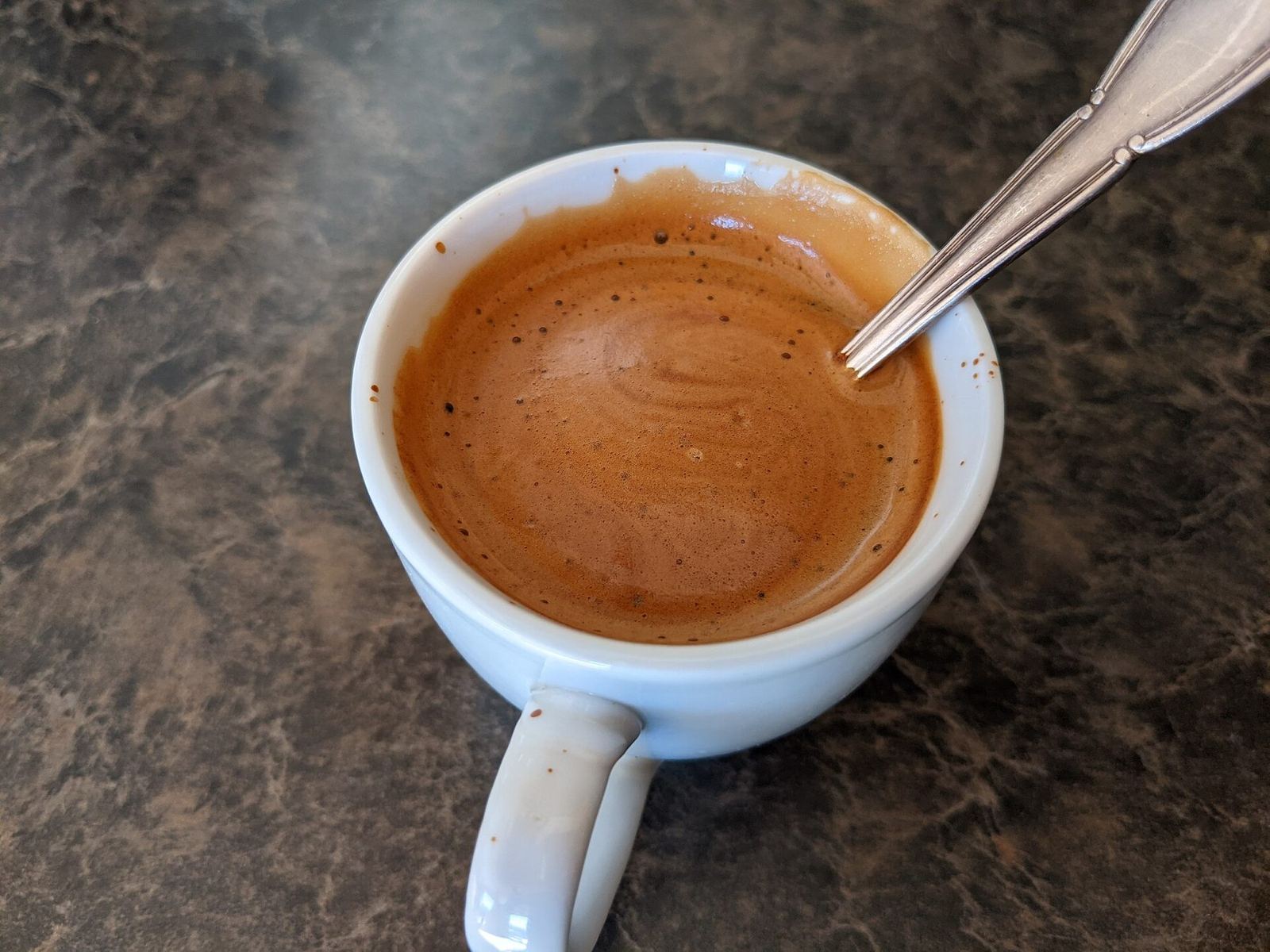
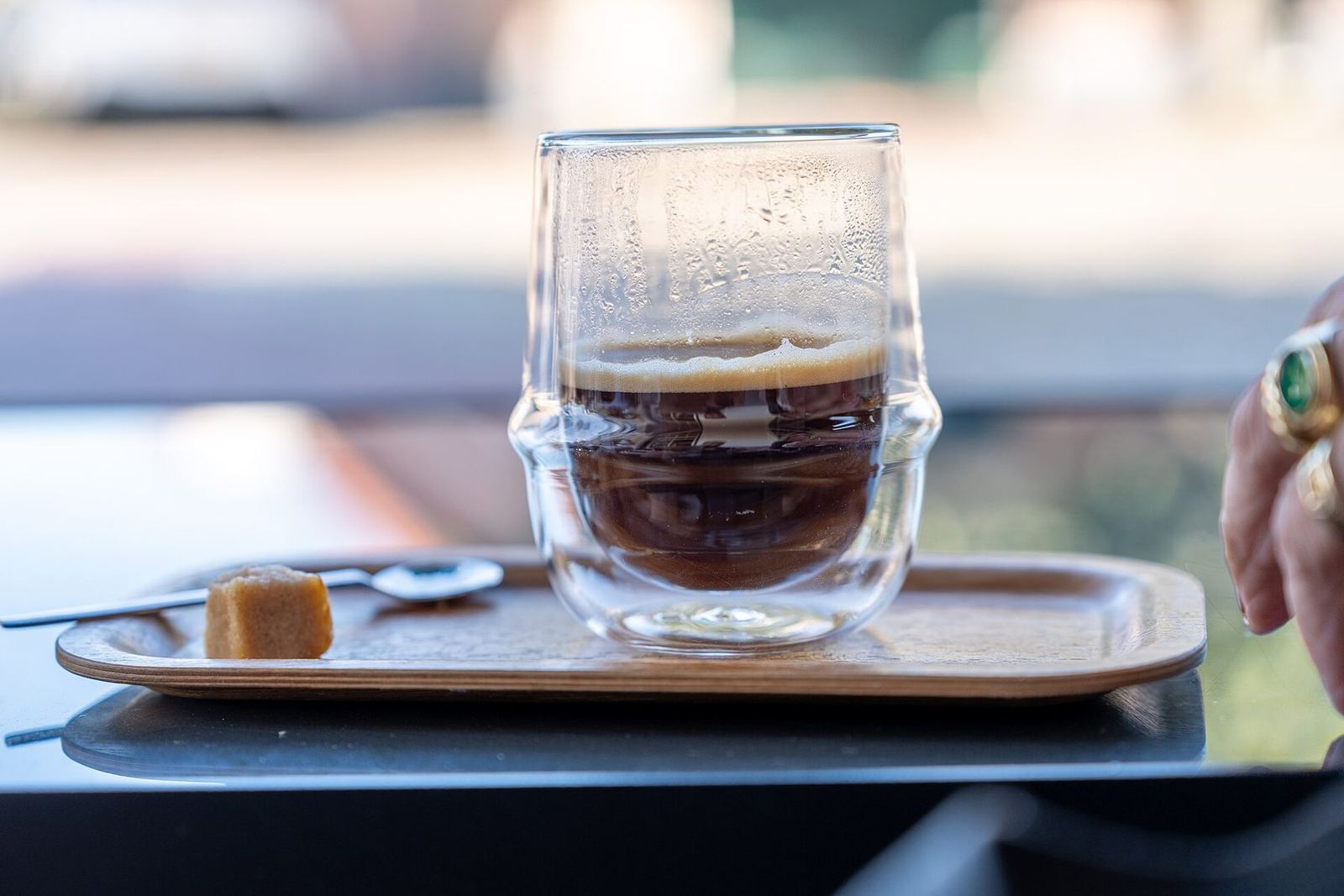
Espresso is coffee brewed by pushing hot water at high pressure through a tightly packed puck of finely ground coffee. The result is a small, thick shot – roughly 25–30 ml – with a layer of fine reddish-brown foam on top called crema. Because so much is extracted in so little water, it tastes intense, full-bodied and slightly syrupy, with bitterness balanced by sweetness and, depending on the beans, notes of chocolate, nuts or fruit.
In Italy espresso is not a speciality order but simply “coffee”: you ask for un caffè and you get an espresso. Most people drink it standing at the bar counter, in two or three sips, often several times a day – after breakfast, mid-morning, after lunch and after dinner. Bars are built for this quick ritual, and drinking at the counter is cheaper than sitting at a table.
What makes espresso special is that it is both a drink and a building block. Almost every café menu in the world – cappuccino, latte, flat white, macchiato, americano, mocha – starts with a shot of espresso, so knowing how a good one tastes is the key to judging any café.
In the cup
- Crema 20%
- Espresso 80%
Ingredients
- Freshly ground espresso coffee (fine grind)7 g (single) or 14 g (double)
- Filtered water≈ 25–30 ml in the cup per single
- Sugar (optional)to taste
How to make it
You needEspresso machine with portafilter, burr grinder, tamper, small pre-warmed cup
RatioAbout 7 g coffee to 25 ml in the cup for a single (Italian standard); a double uses about 14 g
-
Warm the machine and the cup; run a little water through the group head.
-
Grind about 7 g (single) or 14 g (double) of coffee finely – like fine sand – just before brewing.
-
Dose the coffee into the portafilter basket, level it and tamp it firmly and evenly.
-
Lock the portafilter in and start the shot straight away.
-
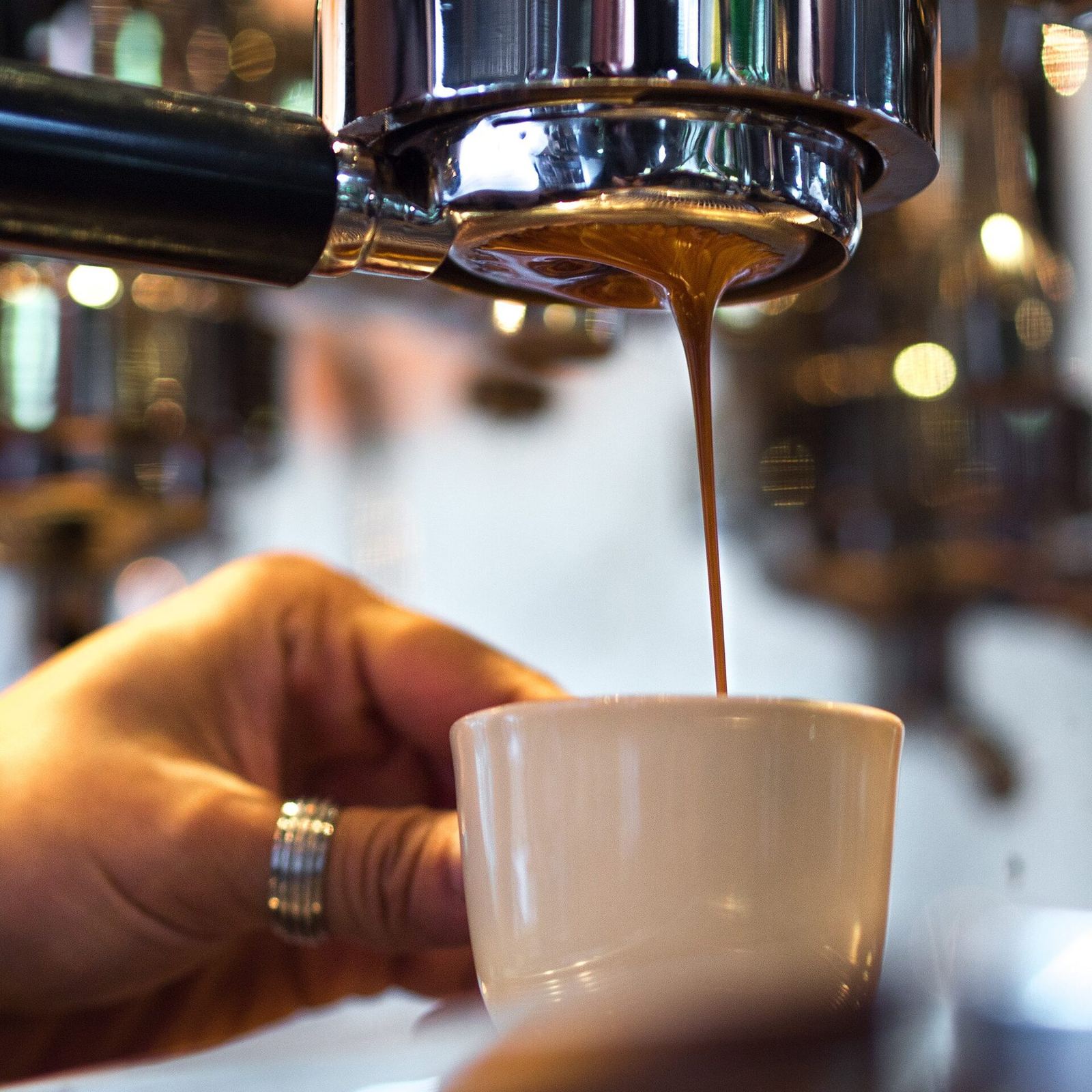
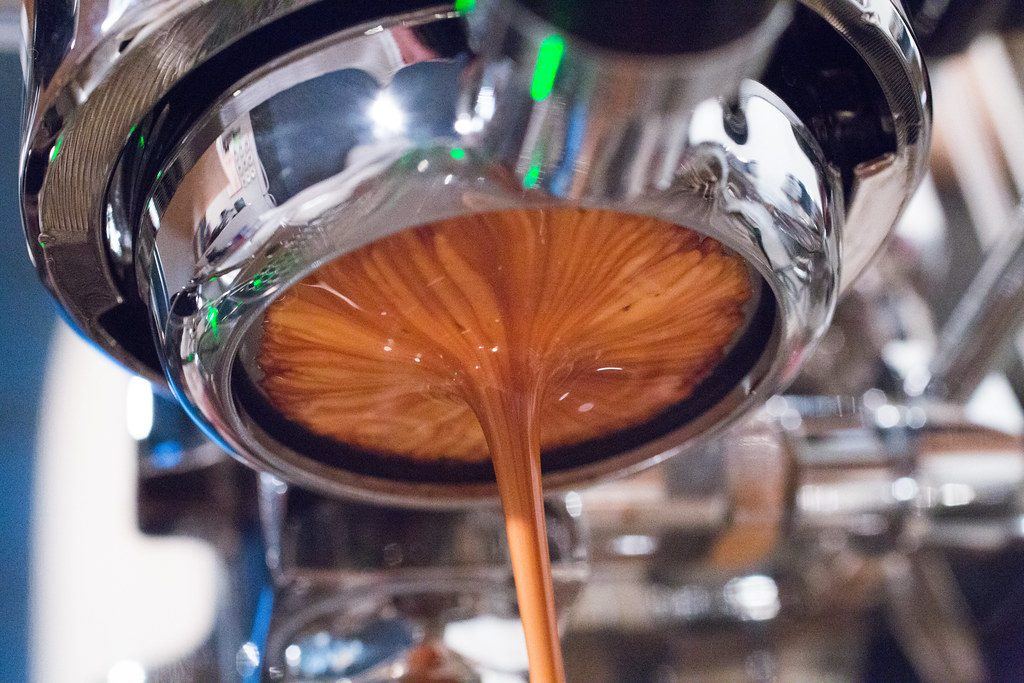
Aim for about 25–30 ml (single) in roughly 25–30 seconds; the stream should look like warm honey.
-
Serve immediately, with sugar on the side if wanted.
Origin & history
Italian inventors spent decades trying to make coffee faster under pressure. Angelo Moriondo of Turin was granted a patent in 1884 for a steam-driven machine, but it brewed coffee in bulk rather than cup by cup. In Milan, Luigi Bezzera applied for a patent on an improved machine in 1901; Desiderio Pavoni bought the patent and, from 1903, his company La Pavoni began producing machines industrially. These early machines worked at only about 1.5 bar, and the coffee was thinner and often scorched by steam.
The modern espresso arrived after the Second World War. Achille Gaggia patented a piston design in 1938, developed it further in 1947 and began selling lever machines in 1948. They pushed water through the coffee at much higher pressure and produced, for the first time, the foam we now call crema – Gaggia marketed the result as “crema caffè”. In 1961 the Faema E61 introduced an electric pump, the basis of most machines today.
Espresso became central to Italian bar culture in the 20th century, where standing at the counter made coffee quick and affordable. Italy’s Istituto Nazionale Espresso Italiano later defined a “certified” espresso: 7 ± 0.5 g of coffee, water at 88 ± 2 °C and 9 ± 1 bar, 25 ± 5 seconds of extraction and 25 ± 2.5 ml in the cup.
Variations
- Ristrettoa “restricted” shot of about 20 ml, sweeter and more concentrated (Italy)
- Lungoa “long” shot pulled with more water, lighter and more bitter (Italy)
- Doppioa double shot (Italy)
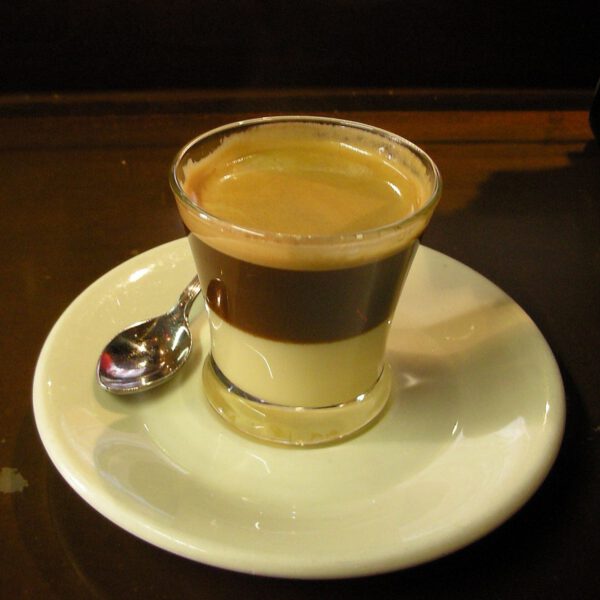
- Caffè correttoespresso “corrected” with a splash of grappa or sambuca (Italy)
- Short blackthe Australian and New Zealand name for a plain espresso
Good to know
In Italy, just ask for “un caffè” – that means an espresso. Asking for “an espresso” works too but marks you as a visitor.
Drinking at the counter (al banco) is cheaper than sitting at a table, where table service is charged.
In busy city bars you often pay at the till first, then hand your receipt to the barista.
Drink it straight away, while the crema is intact – a good espresso is gone in two or three sips.
Want it shorter and sweeter, or longer and lighter? Ask for a ristretto (≈ 20 ml) or a lungo (more water).