Caffè Americano
Caffè americano Say kahf-FEH ah-meh-ree-KAH-noh
One or two shots of espresso topped up with about 120–180 ml of hot water. Similar in strength to filter coffee but with espresso's body and roast character; served hot, or over ice.
- ServedHot & Iced
- In EnglishAmerican-style coffee
- TastesBitter, Bold, Smooth
About Caffè Americano
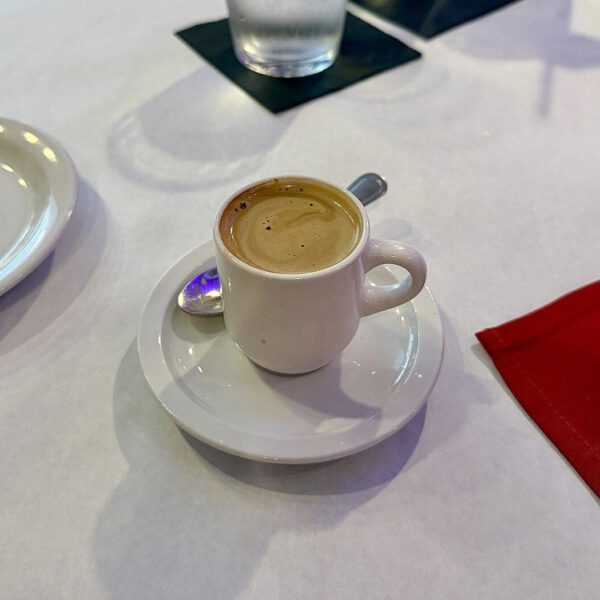
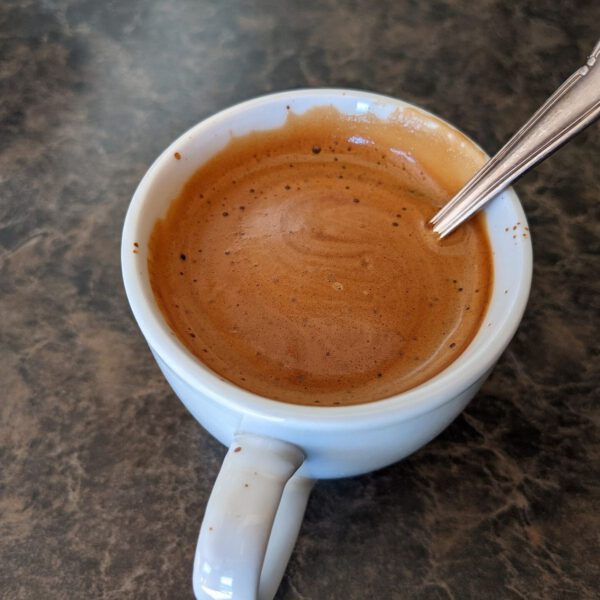
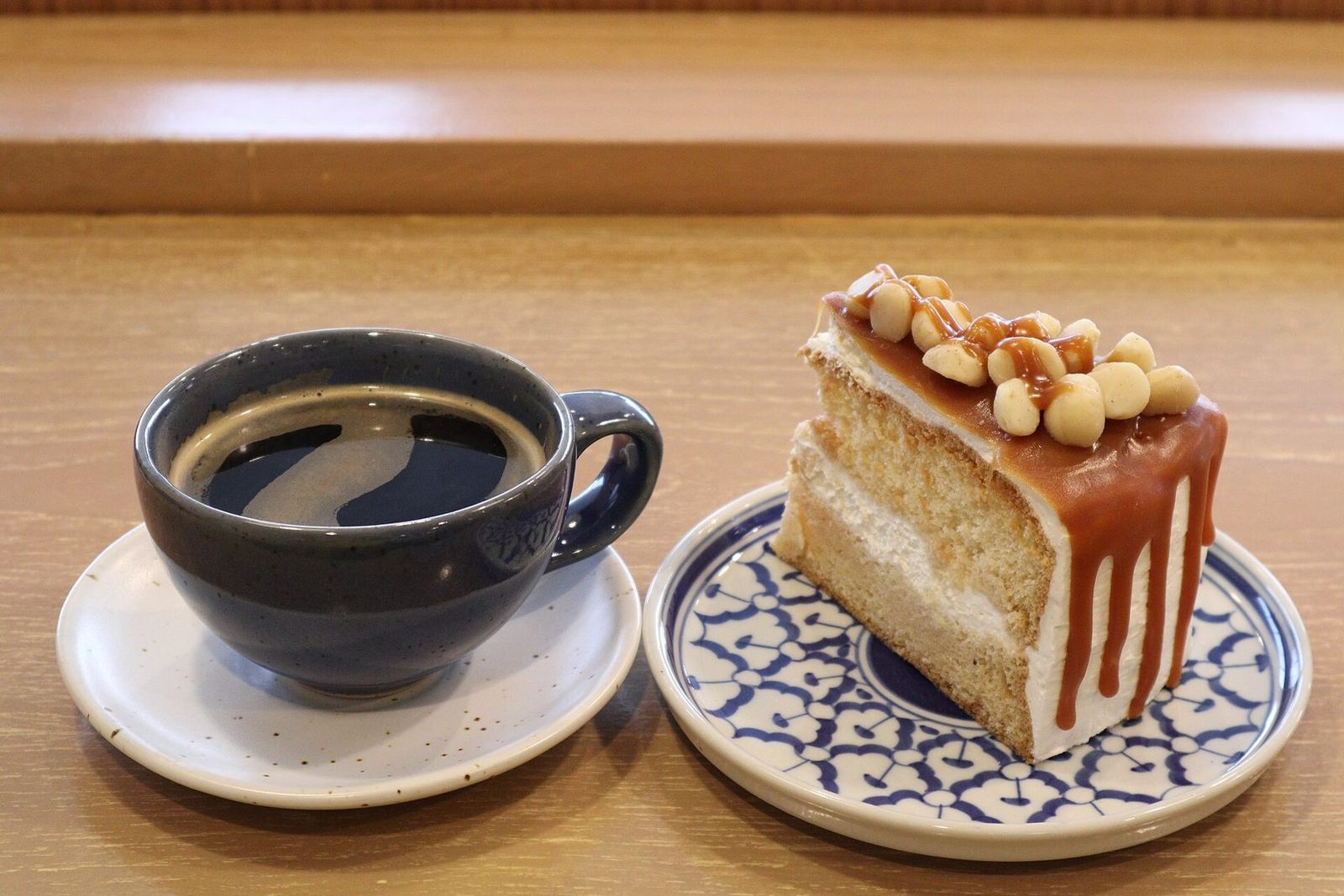
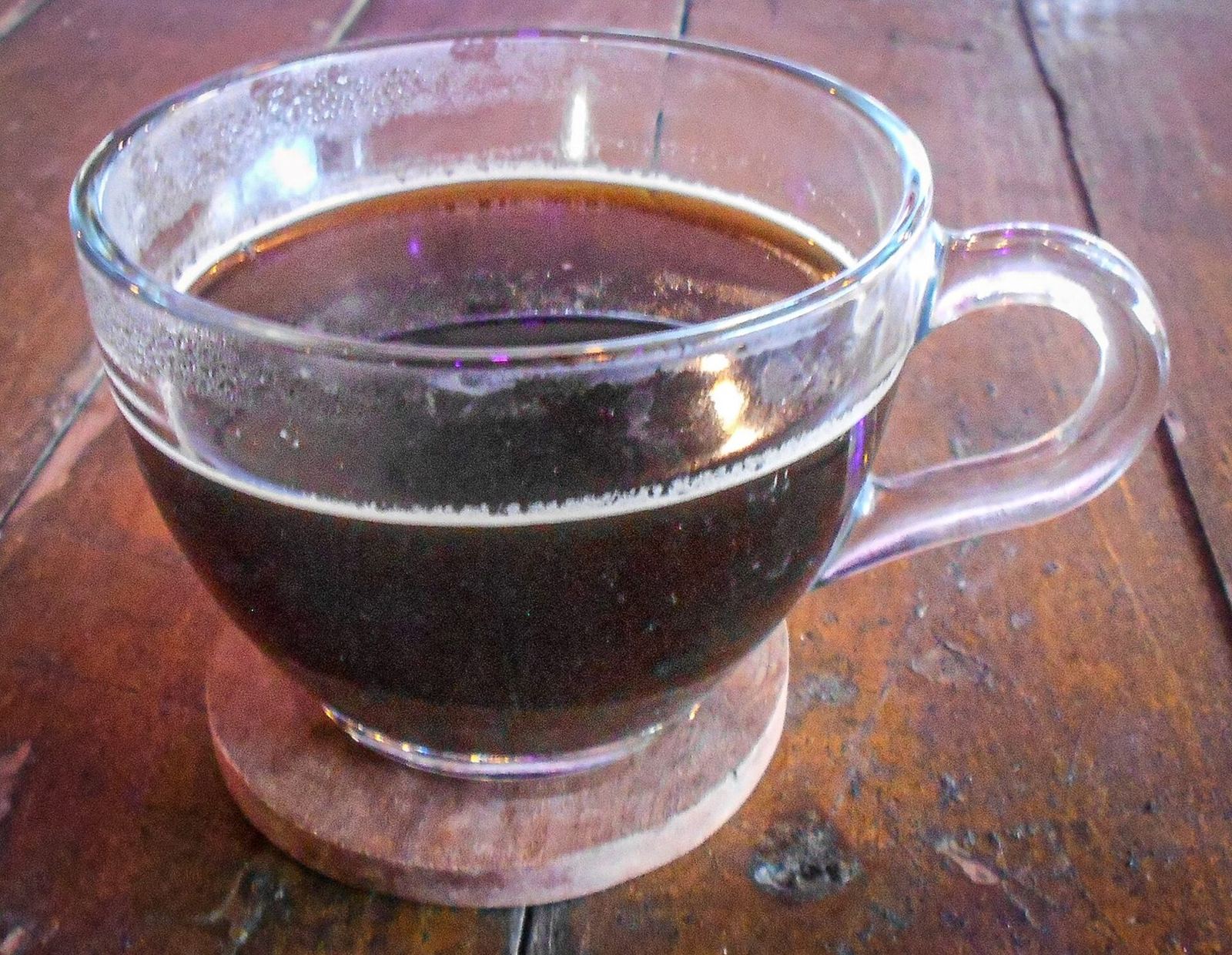
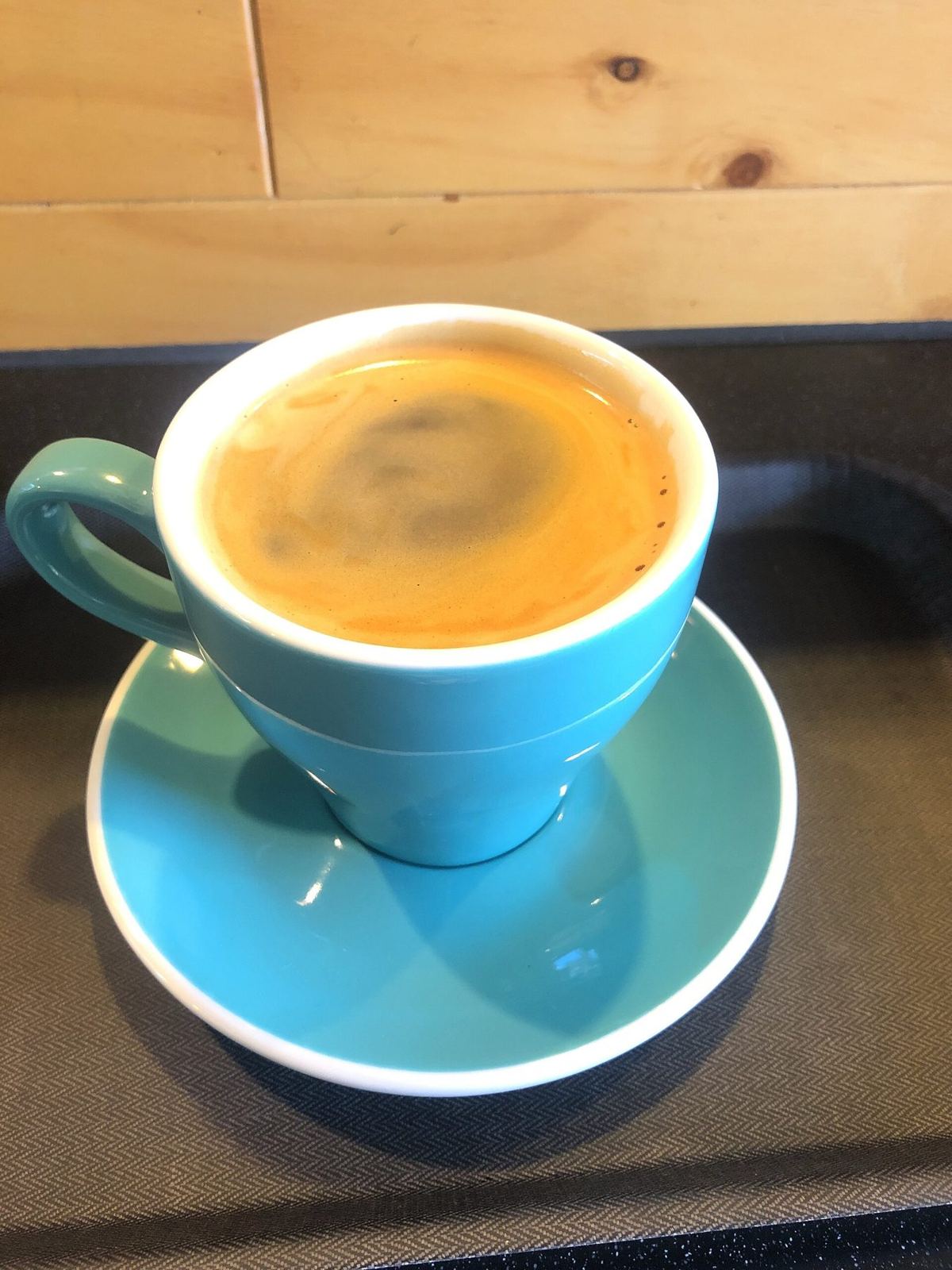
A caffè americano is espresso diluted with hot water – typically one or two shots with three to four times as much water. The result is a long black coffee, similar in strength to filter coffee, but with the roasty, full-bodied character of espresso and often a thin layer of crema on top. Taste depends on the shots and the water: more water makes it lighter and smoother.
In Italy it is mostly ordered by visitors who want a bigger cup than a caffè; Italians who want a longer coffee may ask for a caffè lungo instead. Elsewhere it is a staple on every café menu, and in South Korea the iced americano is so popular that it is considered an unofficial national drink, nicknamed “ah-ah”.
It is a good choice when you want a large black coffee at a café that only has an espresso machine – and its strength is easy to adjust with an extra shot or a little more water.
In the cup
- Crema 5%
- Espresso 25%
- Hot water 70%
Ingredients
- Espresso1–2 shots (30–60 ml)
- Hot water (just off the boil)120–180 ml
- Ice and cold water (for iced americano)to fill a tall glass
How to make it
You needEspresso machine (or strong moka-pot coffee at home), kettle, cup or tall glass
RatioAbout 1 : 3 to 1 : 4 espresso to hot water (e.g. 30–60 ml espresso + 120–180 ml water)
-
Warm a cup or mug.
-
Pull one or two shots of espresso.
-
Add about 120–180 ml of hot water – pour the espresso over the water (long black style) to keep more crema, or add water to the espresso.
-
Taste and adjust with a little more water or another shot.
-
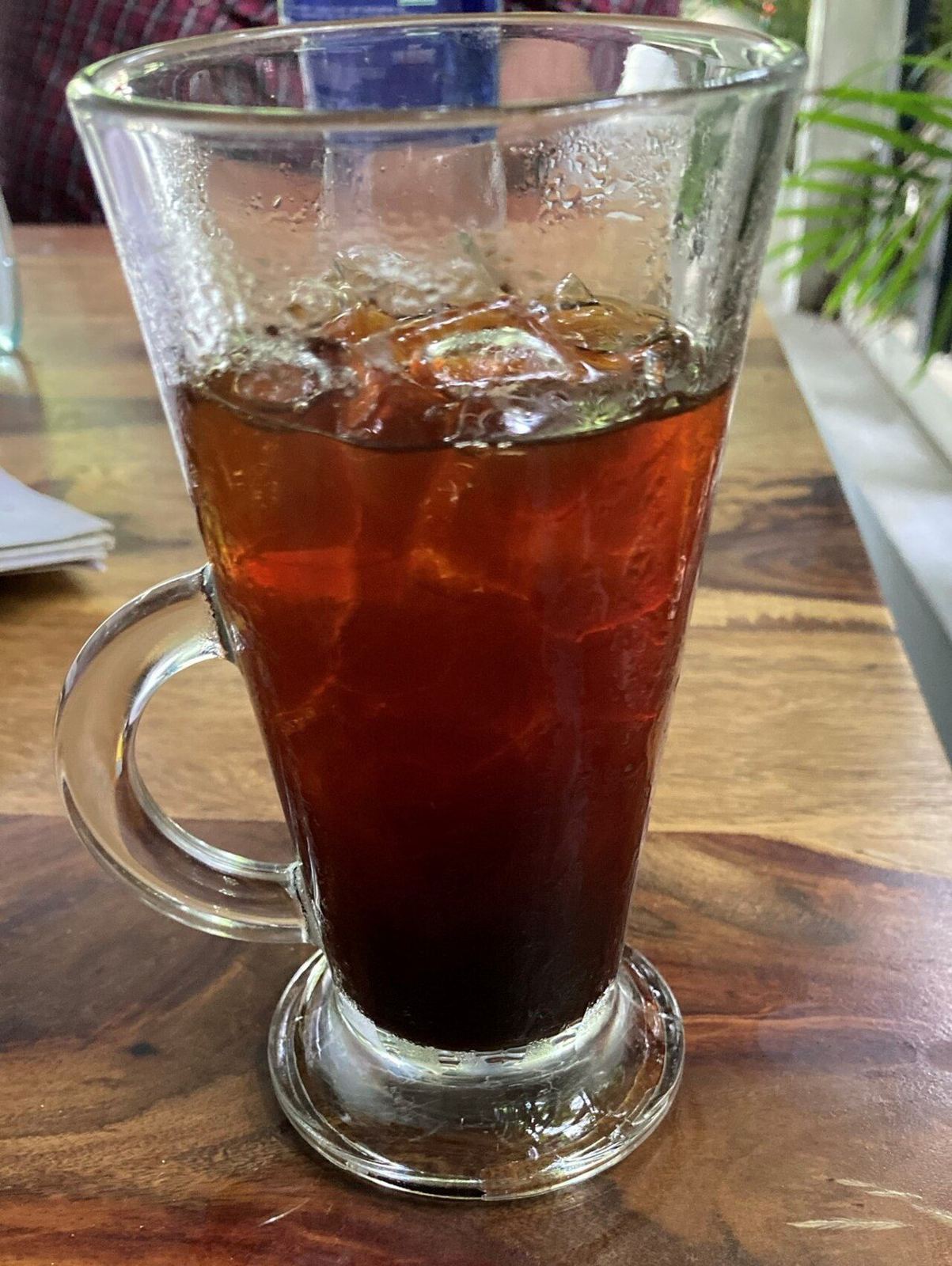
For iced: fill a glass with ice and cold water, then pour the espresso over the top.
Origin & history
A popular story says the americano was born during the Second World War, when American soldiers in Italy found espresso too strong and added hot water to make something closer to the coffee they drank at home. It is a good story, but it is not well documented.
The Oxford English Dictionary traces the name instead to Central American Spanish, where café americano was used from the mid-1950s as a mildly mocking term for weak coffee. The first English use it records is from a Jamaican newspaper, The Sunday Gleaner, in 1964; some sources say the word entered English from Italian in the 1970s. The Italian term seems to have appeared later than the English and Spanish ones.
Whatever its origin, the americano spread with espresso-bar chains from the 1990s. In South Korea the iced americano became a phenomenon, with devoted fans nicknamed “eoljuka” – short for a phrase meaning “even if I freeze to death, iced americano!” – and in 2025 some Canadian cafés renamed it the “canadiano”.
Variations
- Long blackhot water first, espresso poured on top (Australia/New Zealand)
- Iced americanoespresso, cold water and ice; hugely popular (South Korea and worldwide)
- Caffè lungoa single shot pulled long with more water through the coffee, rather than added afterwards (Italy)
- Red eyebrewed coffee with a shot of espresso added (United States)
- Canadianothe same drink renamed by some Canadian cafés in 2025 (Canada)
Good to know
In Italy you may be served espresso with a small jug of hot water on the side – add as much as you like.
Want it stronger but still long? Ask for a double shot (“doppio”).
In Australia and New Zealand order a “long black”: water first, espresso on top, so more crema survives.
In South Korea the iced americano is hugely popular – even in winter.