Cortado
Cortado (Catalan: tallat; Basque: ebaki) Say kor-TAH-doh
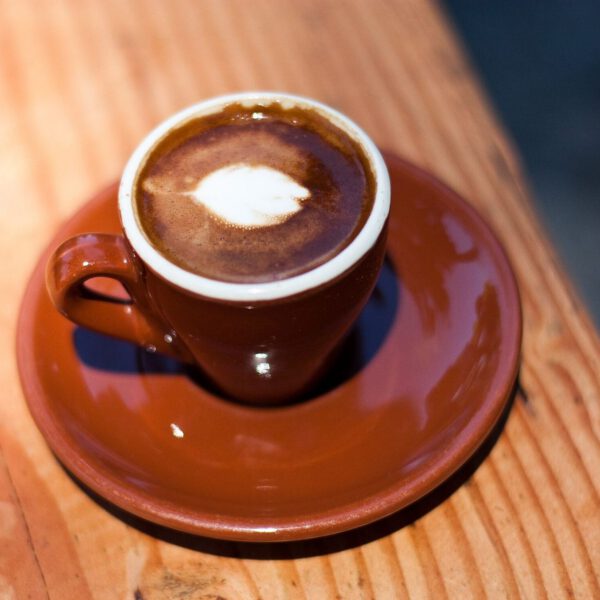
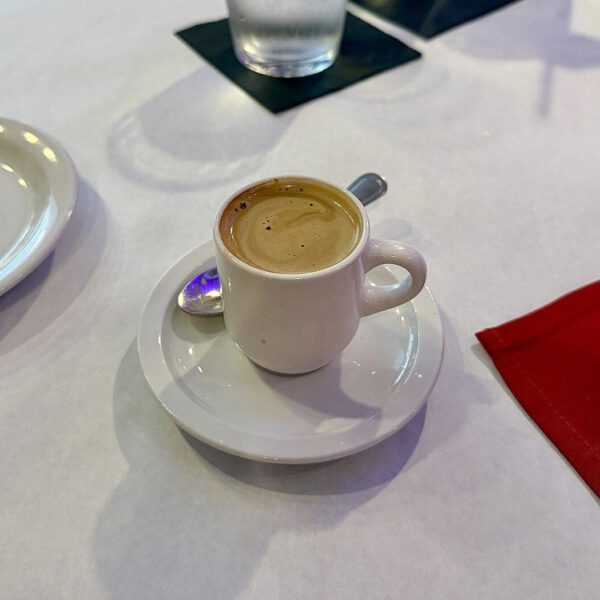
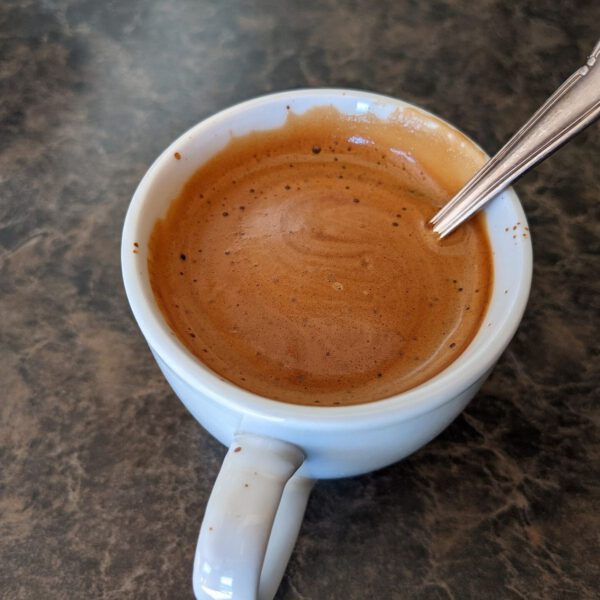
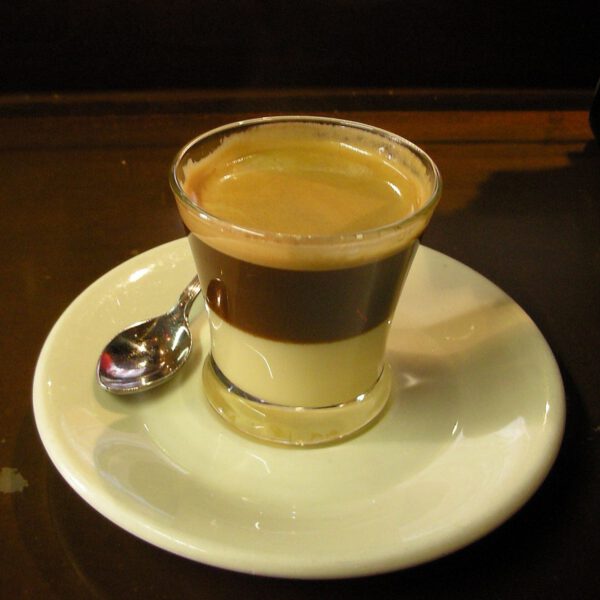
An espresso softened, or 'cut', with a small amount of warm milk, usually in roughly equal parts. Served in a small glass or cup, it is one of the most common coffee orders in Spain.
- ServedHot
- In EnglishCut coffee
- TastesBalanced, Bold, Smooth
About Cortado
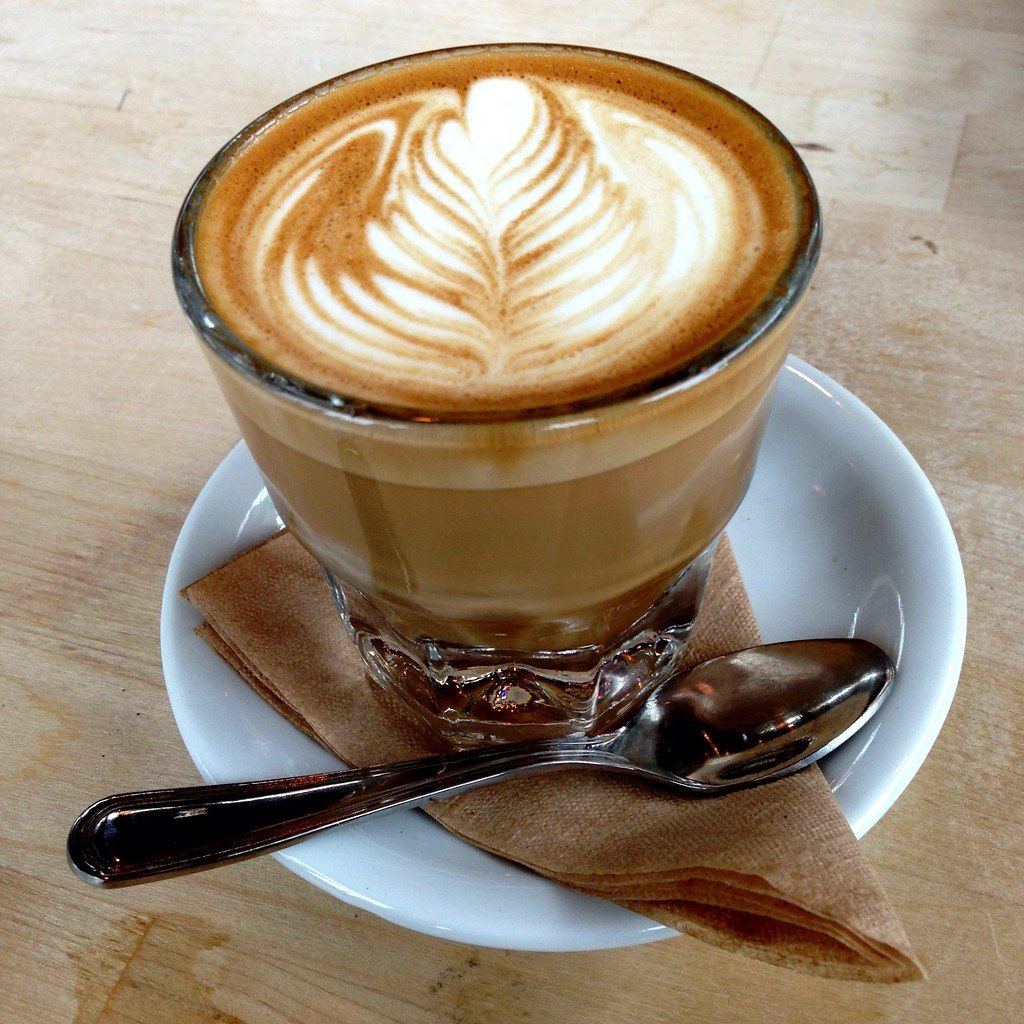
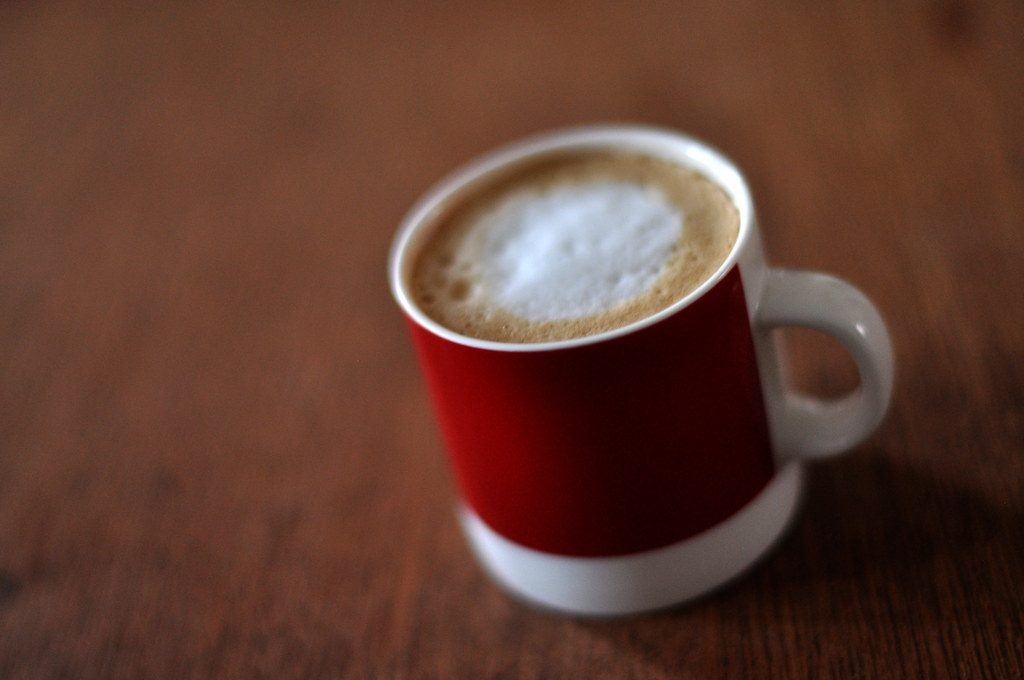
A cortado is a single espresso with a small amount of warm milk added, usually close to equal parts. The name comes from the Spanish verb cortar, ‘to cut’: the milk cuts the sharpness and acidity of the coffee without drowning it. The milk is heated but not whipped into a thick foam, so the drink stays short, dense and easy to drink in a few sips.
It tastes strong and coffee-forward, but rounder and less bitter than a plain espresso (café solo). In Spain it sits on every bar menu next to the café solo and the larger, milkier café con leche, and it is the go-to choice for people who want a little milk without a big drink.
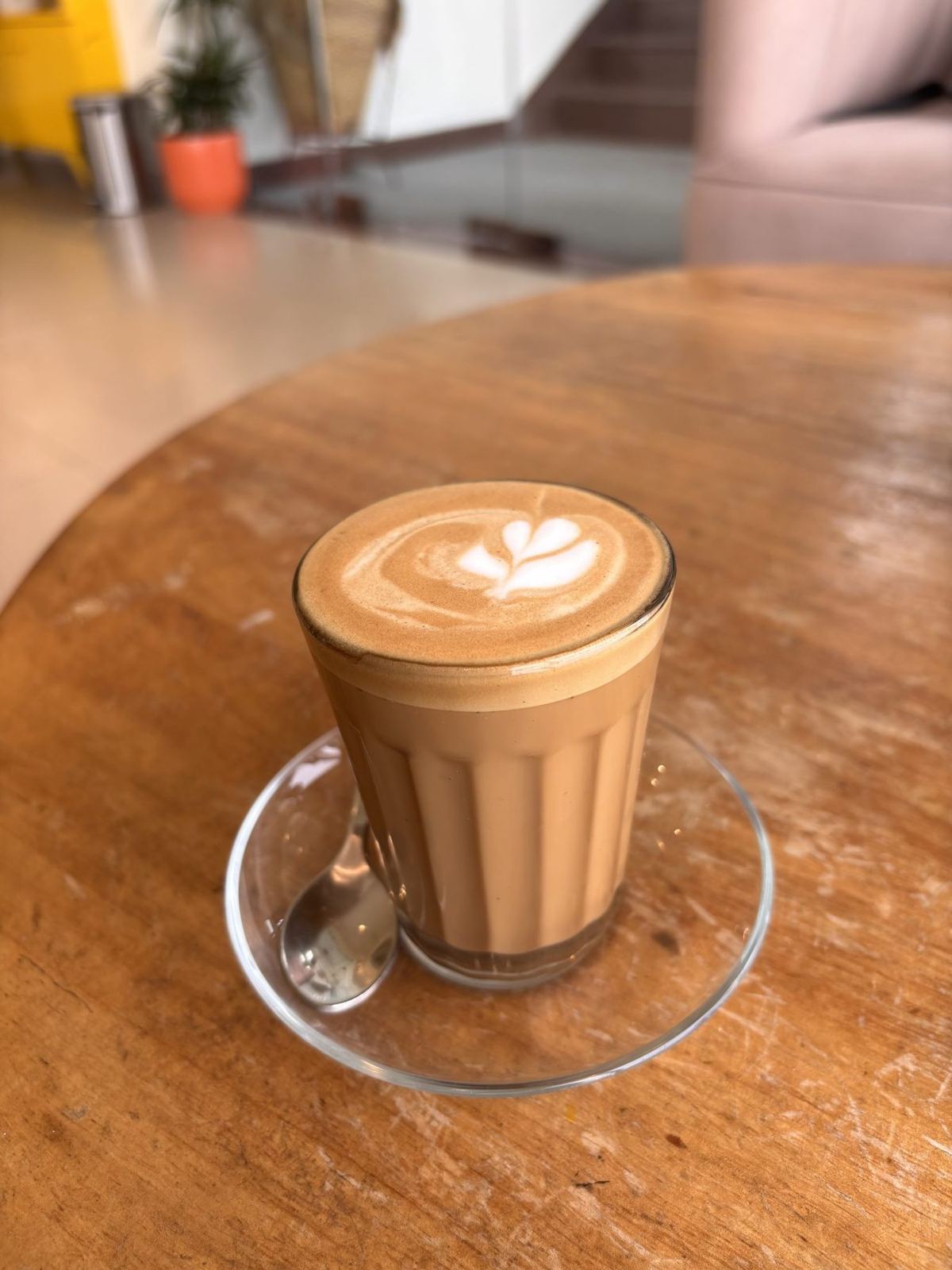
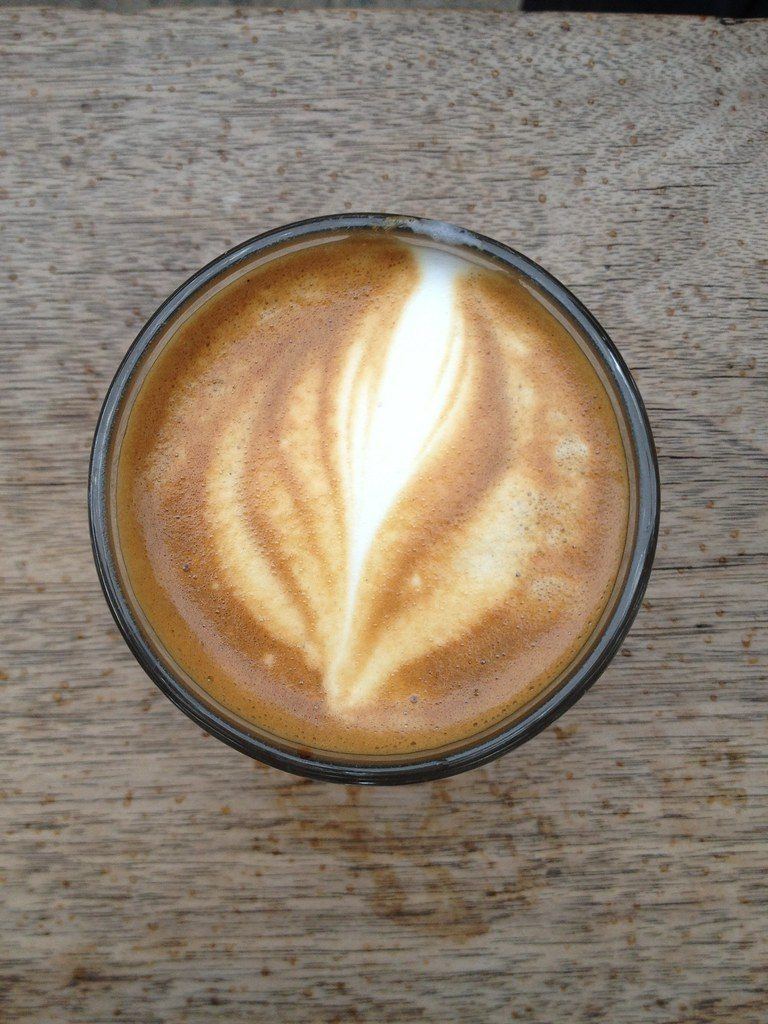
Spaniards order cortados all day long: mid-morning with a snack, after lunch, or as a quick stop at the counter on the way somewhere. Outside Spain, specialty cafés adopted the cortado in the 2000s and 2010s, often serving it in a small tumbler glass with a little latte art on top.
In the cup
- Light foam 8%
- Warm milk 42%
- Espresso 50%
Ingredients
- Finely ground espresso coffee7–9 g (single shot) or 18 g (double)
- Whole milk30–60 ml
How to make it
You needEspresso machine (or moka pot), small milk jug, small glass or cup
RatioAbout 1 : 1 espresso to milk (exact amounts vary by region and café)
-
Warm a small glass or cup.
-
Pull a single espresso (about 30 ml) into it; use a double for the larger café style.
-
Steam or heat a small amount of milk until warm, adding very little air.
-
Pour about the same volume of milk as coffee into the espresso.
-
Serve straight away with sugar on the side.
Origin & history
The cortado grew out of Spain’s bar-counter coffee culture, and Barista Magazine places its rise in the early 20th century, when it became a quick, balanced pick-me-up for working people. There is no single inventor or date: it is simply the Spanish way of asking for an espresso with a little milk, and the name describes what it is, coffee ‘cut’ with milk.
The idea travelled across the Iberian Peninsula and the Atlantic. In Cuba it became the sweeter cortadito, often made with condensed milk because fresh milk was not always available, and Cuban Americans brought the cortadito to Miami’s Little Havana in the 1960s.
In the 2000s, San Francisco roasters such as Blue Bottle Coffee and Ritual Coffee Roasters helped make the cortado a third-wave staple, serving it in small Libbey ‘Gibraltar’ glasses, which gave the drink its other American name. Today it is a standard item in specialty cafés around the world.
Variations
- Tallatthe Catalan name for a cortado (Catalonia, Spain)
- Cortaditoa sweet version made with sweetened condensed milk or sugared espresso (Cuba, Miami)
- Gibraltara cortado-style drink defined by its 135 ml Libbey Gibraltar glass (San Francisco, USA)
- Pingado / garotosimilar short espresso with a little milk (Portugal)
- Galãoa larger, milkier glass, about 1 part espresso to 3 parts milk (Portugal)
Good to know
In Spain a cortado is small: if you want a larger milky coffee, order a café con leche instead.
Drink it at the bar counter like locals do; it is often slightly cheaper than table service.
Specialty cafés abroad often make it with a double shot and serve it in a small tumbler, so it can be stronger than a Spanish bar cortado.
In Catalonia ask for a tallat; in the Basque Country you may see ebaki on the menu.
Sugar comes on the side; Spanish bar coffee can be quite dark-roasted, so many locals add a little.