Café de Olla
Café de olla Say kah-FEH deh OH-yah
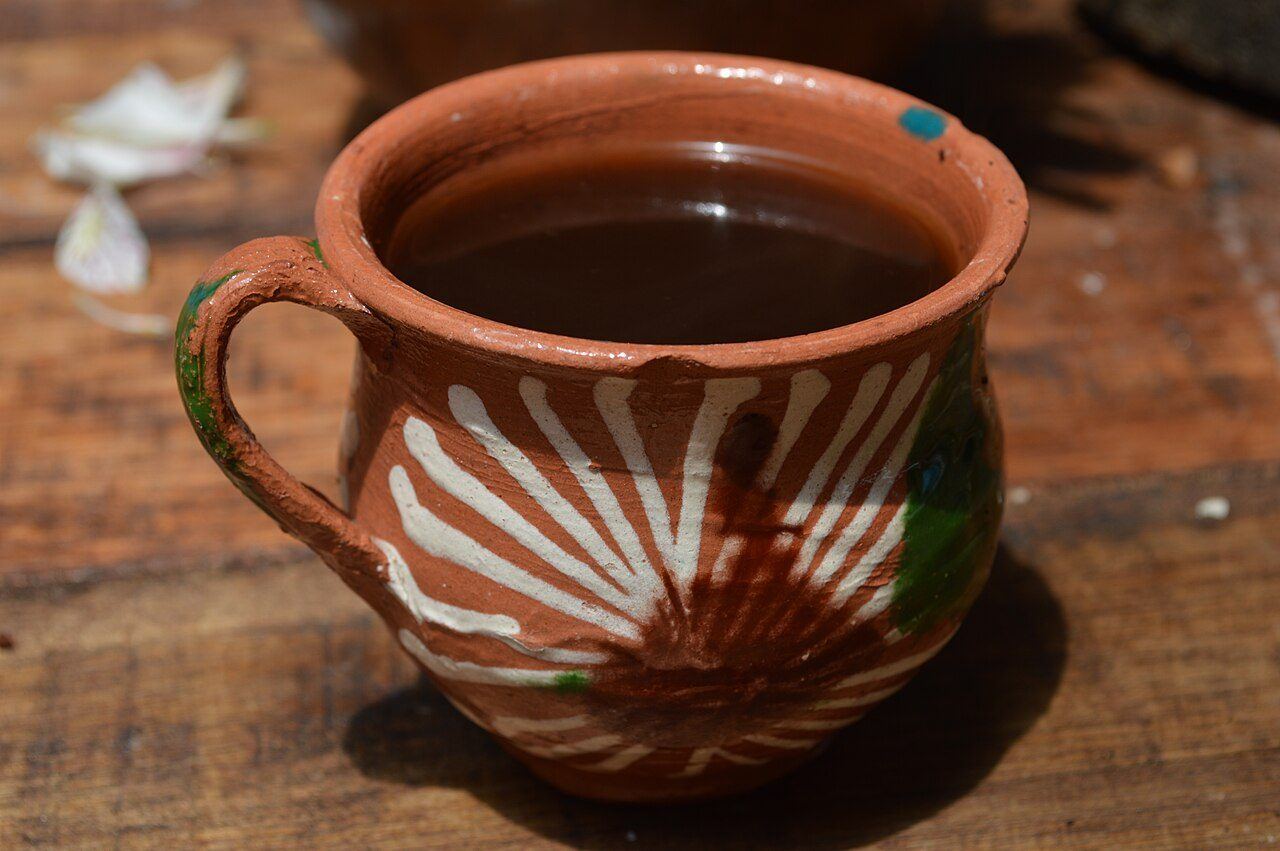
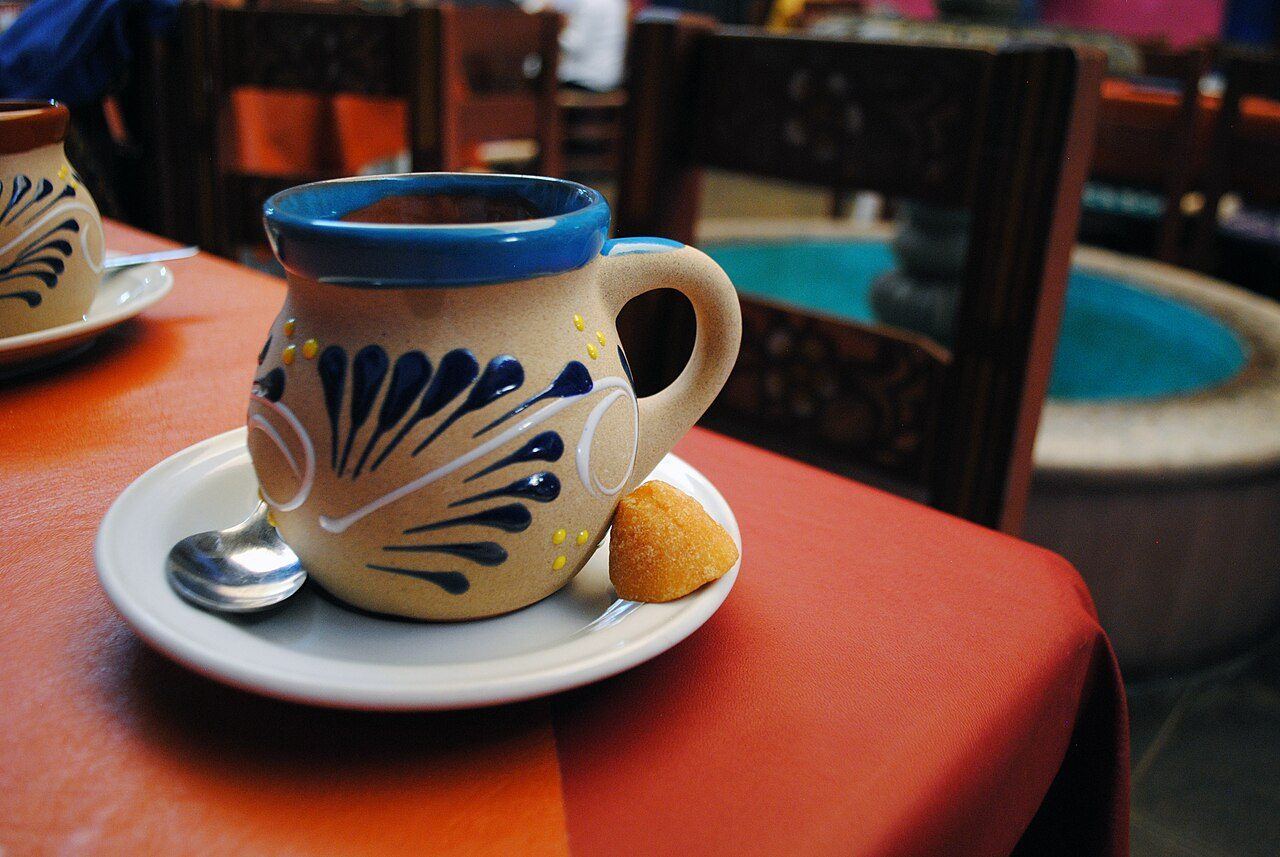
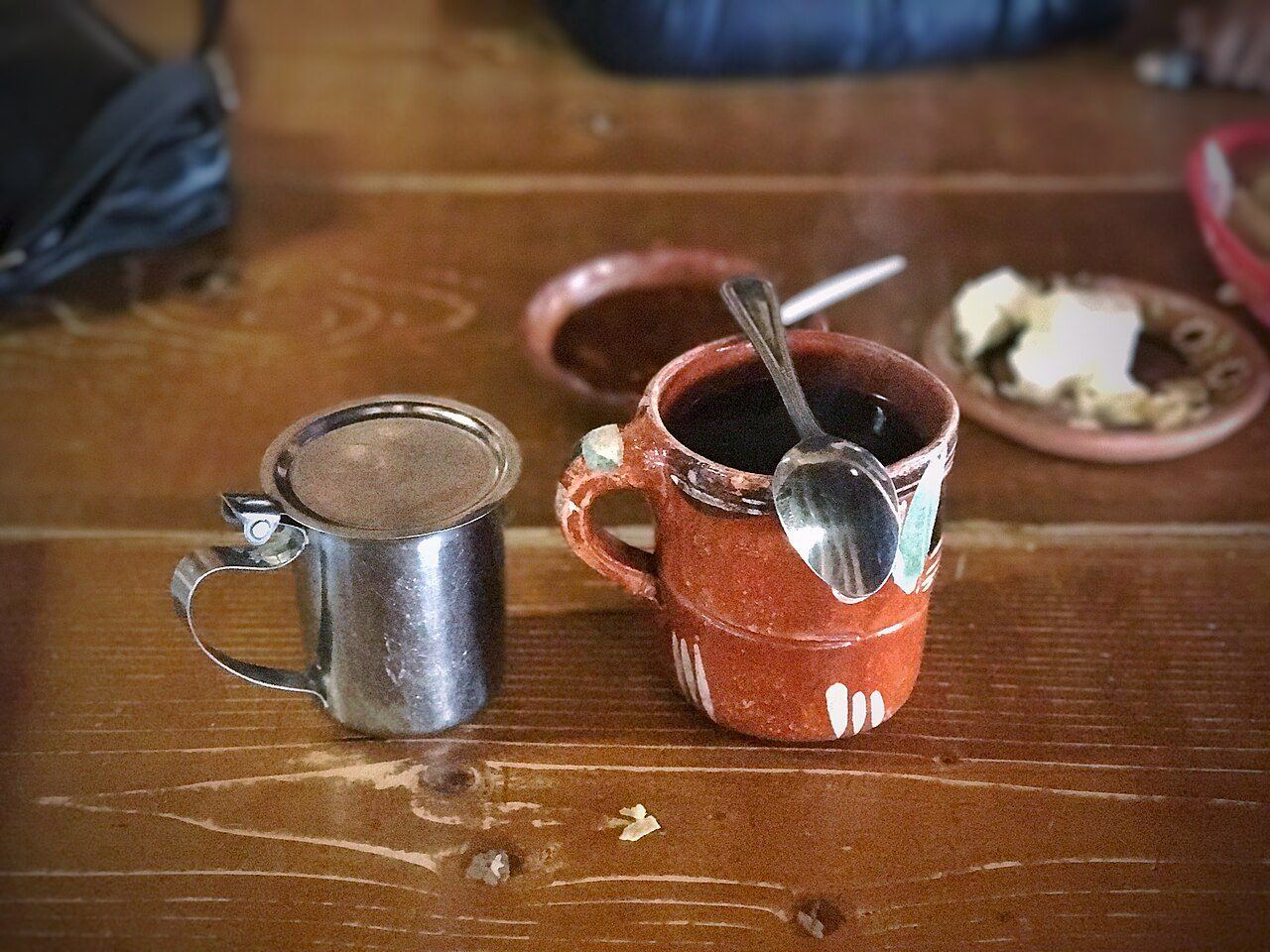
Mexico's comforting spiced coffee. Coarse-ground coffee is steeped with cinnamon and dark piloncillo sugar (sometimes clove, star anise or orange peel), traditionally in a clay pot, and served in earthenware cups.
- ServedHot
- In EnglishPot coffee
- TastesSmooth, Spiced, Sweet
About Café de Olla
Café de olla means “pot coffee”, and that is exactly how it is made. No machine is needed, just a pot (ideally an olla de barro, a glazed clay pot), water, a stick of cinnamon (canela) and a cone of piloncillo, Mexico’s dark, unrefined cane sugar. Once the sugar has melted into the spiced water, coarse-ground coffee is stirred in and left to steep, then the whole thing is strained into cups.
The result is sweet, warming and fragrant, with the molasses-like depth of piloncillo and plenty of cinnamon softening a dark-roast coffee. Many families add their own touches, such as a clove or two, star anise or a strip of orange peel. Fans say the clay pot and clay cups give a subtle earthy note, and they certainly keep it hot.
You’ll find café de olla on breakfast tables, at markets and street stalls, in traditional fondas and in many modern cafés across Mexico. It is especially loved on chilly mornings and evenings, and during Día de Muertos it is often placed on ofrendas (altars) for departed loved ones who enjoyed their coffee.
In the cup
- Spiced, piloncillo-sweetened coffee 100%
Ingredients
- Water1 litre
- Piloncillo (or dark brown sugar)60–100 g, to taste
- Cinnamon stick (canela)1–2
- Coarsely ground dark-roast coffee4–5 tbsp
- Optional: cloves, star anise, strip of orange peel2 cloves / 1 star anise / 1 strip
How to make it
You needClay pot (olla de barro) or saucepan, fine strainer or cloth, clay mugs
RatioAbout 1 tbsp coarse coffee per 200–250 ml water (≈ 4–5 tbsp per litre)
-
Put the water, piloncillo and cinnamon (plus any cloves, star anise or orange peel) in the pot.
-
Bring to a simmer and stir until the piloncillo has completely dissolved, about 5–7 minutes.
-
Turn off the heat, stir in the coarse coffee and cover the pot.
-
Leave to steep for about 10 minutes.
-
Strain through a fine strainer or cloth into clay mugs and serve hot.
Origin & history
Coffee reached Mexico late in the colonial period. It is traceable there by around 1790, and for years most people preferred hot chocolate and atole. Coffee only really caught on once it was served with milk in the late 18th century. Piloncillo, made from sugarcane brought by the Spanish, had by then replaced honey in many Mexican recipes, and cinnamon arrived with Spanish tastes too.
The best-known origin story places café de olla in the Mexican Revolution of the 1910s. The Adelitas, women who travelled with and fought alongside the revolutionary armies, are said to have brewed coffee with cinnamon and piloncillo in clay pots to keep the troops going. Some tellings add that it was a favourite of Emiliano Zapata. Mexican sources are careful to note that the drink’s real creators are unknown.
Through the 20th century café de olla stayed a home drink, boiled up in kitchens with cinnamon and brown sugar while coffee machines were still a luxury. It was also sold on the street from clay pots kept warm on portable stoves. Today it is a symbol of Mexican home cooking, served everywhere from village kitchens to third-wave cafés, and offered on Día de Muertos altars.
Variations
- Café de olla con naranjawith orange peel or zest for a citrus lift (Mexico)
- Café de olla con anís y clavoextra spice from star anise and cloves (Mexico)
- Café de olla con lechetopped up with hot milk, a popular café twist (Mexico)
- Iced café de ollachilled and served over ice in modern cafés (Mexico and the US)
Good to know
It usually comes already sweetened. Ask "¿con poco piloncillo?" if you prefer it less sweet.
Use coarse coffee and don't boil it with the grounds. Steeping off the heat keeps it from turning bitter.
Ceylon cinnamon (canela) is the Mexican choice. It is softer and more aromatic than cassia.
Clay pots should be glazed and safe for food. If you don't have one, any saucepan works fine.
Try it with a concha or other pan dulce for the classic Mexican merienda.