Cold Brew
Cold brew (Japan: 水出しコーヒー, mizudashi kōhī) Say KOHLD broo
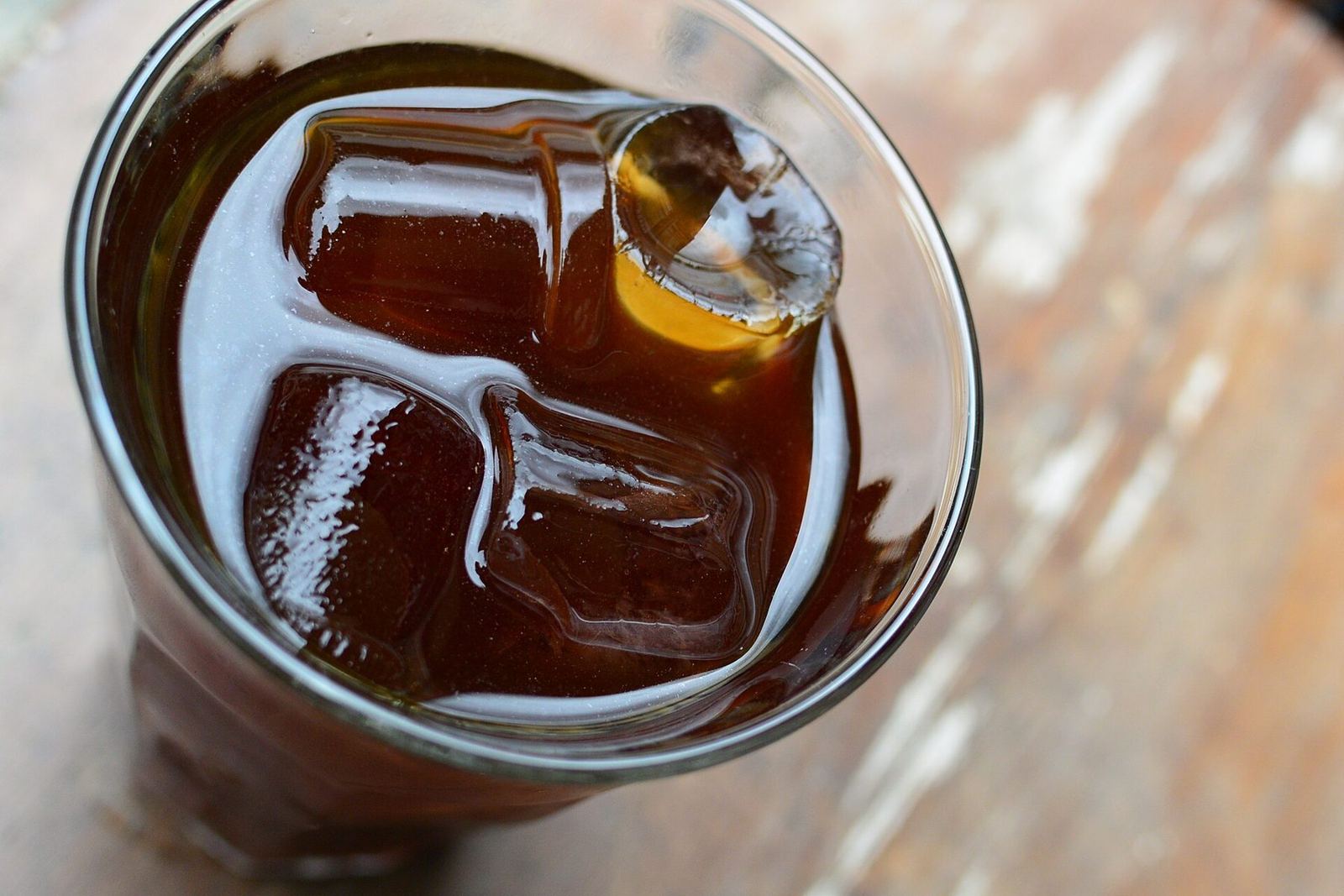
Coarsely ground coffee steeped in room-temperature or cold water for 12–24 hours, then filtered. The result is a smooth, low-bitterness coffee (often made as a concentrate) served over ice, black or with milk.
- ServedIced
- In EnglishCold-steeped coffee
- TastesChocolatey, Smooth, Sweet


About Cold Brew
Cold brew is coffee that never meets hot water. Coarse grounds sit in cool or room-temperature water for many hours – usually 12 to 24 – and are then filtered out. The slow, cool extraction pulls out fewer of the harsh, bitter notes that hot water does, so cold brew tastes rounder and mellower, often with chocolate, caramel and nutty flavours. Many cafés brew it strong as a concentrate and then dilute it with water or milk before pouring it over ice.
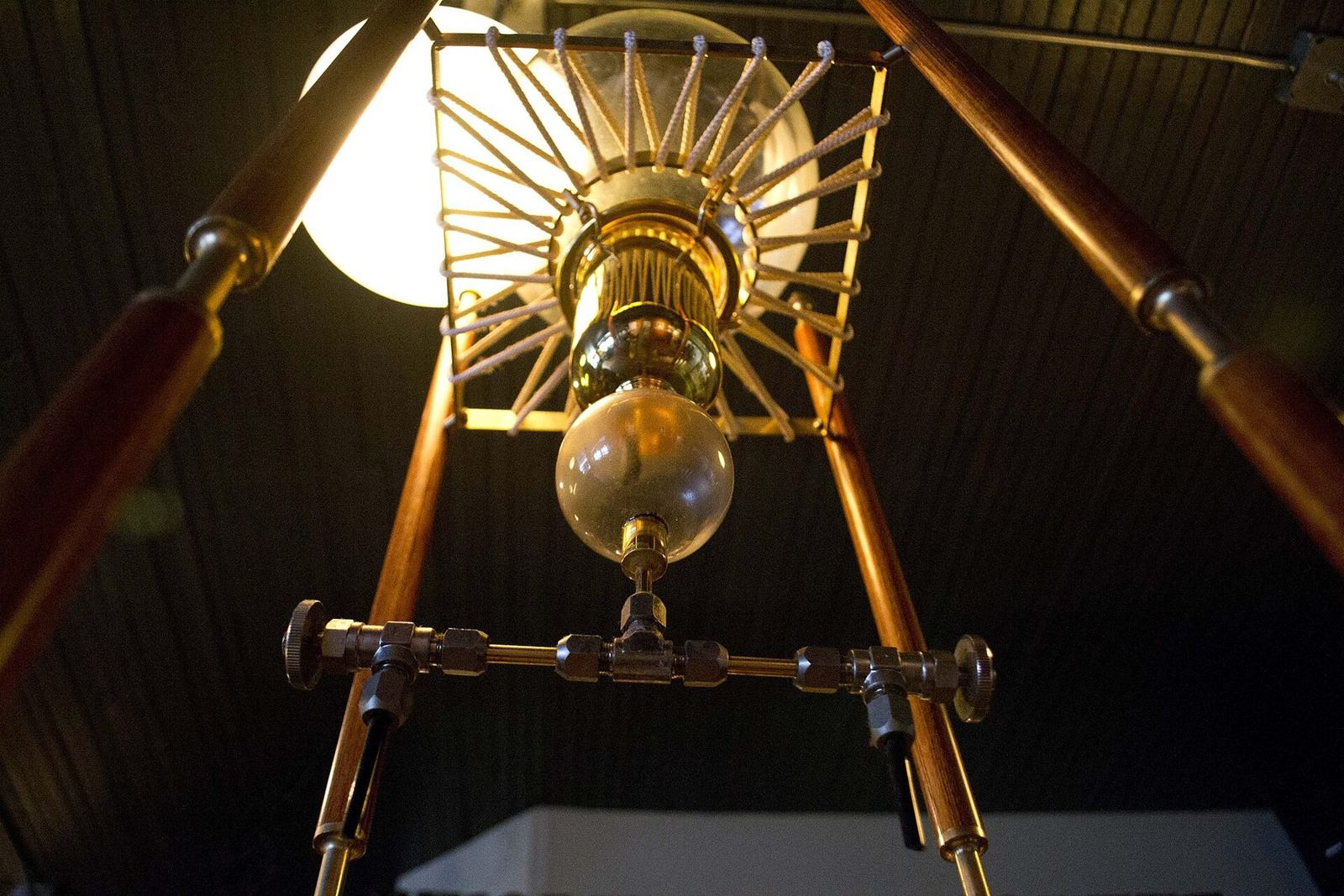
There are two main styles. Immersion cold brew simply steeps the grounds in a jar or bucket and strains them. Slow-drip (known as Kyoto-style, cold drip or “Dutch coffee” in East Asia) uses a tall glass tower: iced water drips drop by drop through a bed of coffee over several hours, producing a clean, almost tea-like brew. The towers are a striking sight on café counters from Tokyo to Melbourne.
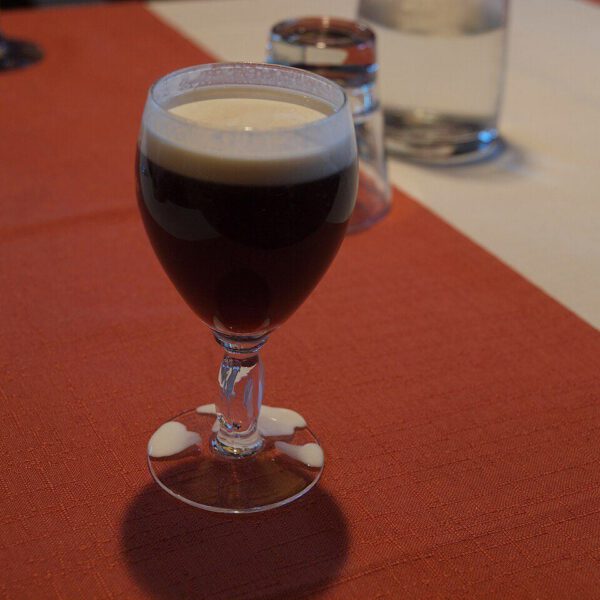
Today cold brew is a summer staple in specialty cafés worldwide, sold in bottles and cans and, since the 2010s, poured from a tap as nitrogen-infused “nitro cold brew” with a creamy, Guinness-like head. For travellers it is a handy order on hot days: it is easy to find, usually served black unless you ask, and it packs a decent caffeine punch.
In the cup
- Cold brew coffee 65%
- Ice 35%
Ingredients
- Coarsely ground coffee100 g
- Cold or room-temperature filtered water (for brewing)500 ml
- Cold water or milk (for diluting)about 500 ml, to taste
- Ice cubesto fill the glass
How to make it
You needLarge jar or jug, fine sieve with a paper or cloth filter (or a cold-brew maker); a slow-drip tower for Kyoto-style
RatioConcentrate about 1 : 5 coffee to water (≈ 100 g per 500 ml), diluted roughly 1 : 1; ready-to-drink brews around 1 : 10–1 : 12
-
Grind the coffee coarsely, like rough breadcrumbs.
-
Put the grounds in a large jar, pour over the cold water and stir so all the grounds are wet.
-
Cover and leave to steep for 12–18 hours at room temperature, or up to 24 hours in the fridge.
-
Strain through a sieve lined with a paper filter or cloth; don’t squeeze the grounds.
-
Bottle the concentrate and keep it chilled.
-
To serve, fill a glass with ice and pour in equal parts concentrate and cold water or milk; adjust to taste.
Origin & history
Steeping coffee in cold water is not new, but its early history is hazy. Japan has a long tradition of cold-brewed coffee, and the slow-drip method is widely called “Kyoto-style” after the city where it became closely associated with coffee shops. A popular story says the Japanese learned cold extraction from Dutch traders, who were the only Europeans allowed to trade with Japan during its centuries of isolation; this link is often repeated but poorly documented, so treat it as tradition rather than proven history. In Korea and other parts of East Asia, slow-drip coffee is still often sold as “Dutch coffee”.
The modern home method owes a lot to Todd Simpson, a chemical engineering graduate of Cornell University, who in the 1960s developed the Toddy cold-brew system after trying to recreate a low-acid coffee he had tasted in Peru. Toddy brewers became a common way for cafés to make concentrate.
Cold brew boomed in North America and beyond from the late 2000s and 2010s, helped by specialty cafés, ready-to-drink bottles and cans, and nitro cold brew, which appeared on taps in the early 2010s – Cuvee Coffee in Austin, Texas, is often credited with an early tap in 2012. Starbucks added nitro cold brew to 500 stores in 2016, bringing the drink firmly into the mainstream.
Variations
- Kyoto-style slow dripiced water dripped through coffee in a tall glass tower over several hours (Japan)
- MizudashiJapanese home cold brew, often made with a coffee bag or filter pot left in the fridge overnight (Japan)
- Nitro cold brewcold brew infused with nitrogen and poured from a tap for a creamy head (USA)
- Cold brew with milkconcentrate topped up with milk or a plant milk (worldwide)
- Cold brew tonicconcentrate poured over tonic water and ice for a bitter-sweet fizz (specialty cafés)
Good to know
Cold brew and iced coffee are not the same: iced coffee is usually hot-brewed coffee chilled or poured over ice, while cold brew is never heated.
If it tastes too strong or syrupy, it may be concentrate – ask for extra water or milk rather than sugar.
Homemade cold brew keeps in a sealed bottle in the fridge for about a week; its flavour slowly fades after that.
Use plenty of ice made from good water, or coffee ice cubes, so melting ice doesn’t water the drink down.
Nitro cold brew is normally served without ice so the creamy foam stays intact.